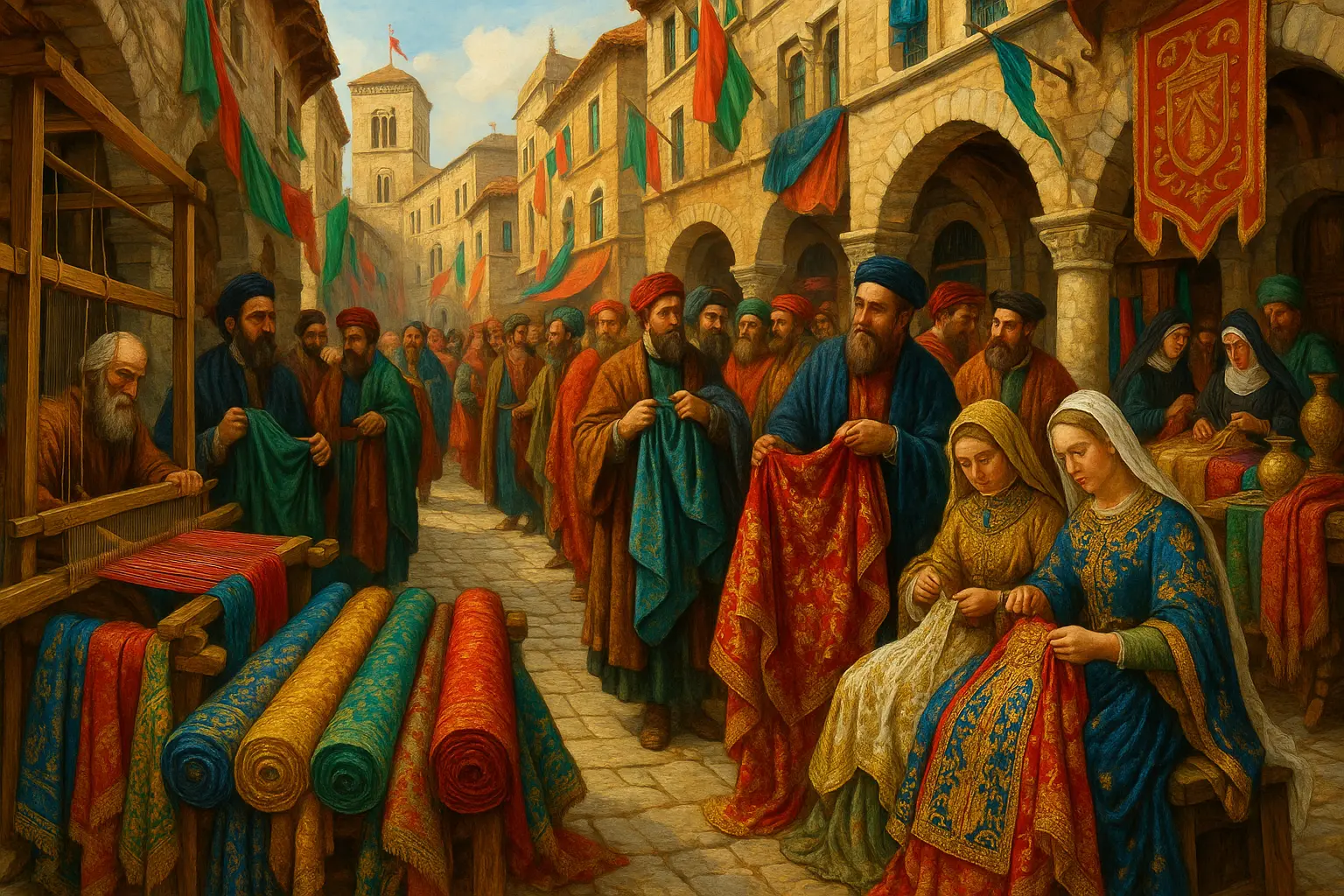
Charles V and the Siege of Catanzaro in 1528: A Faithful and Valiant City
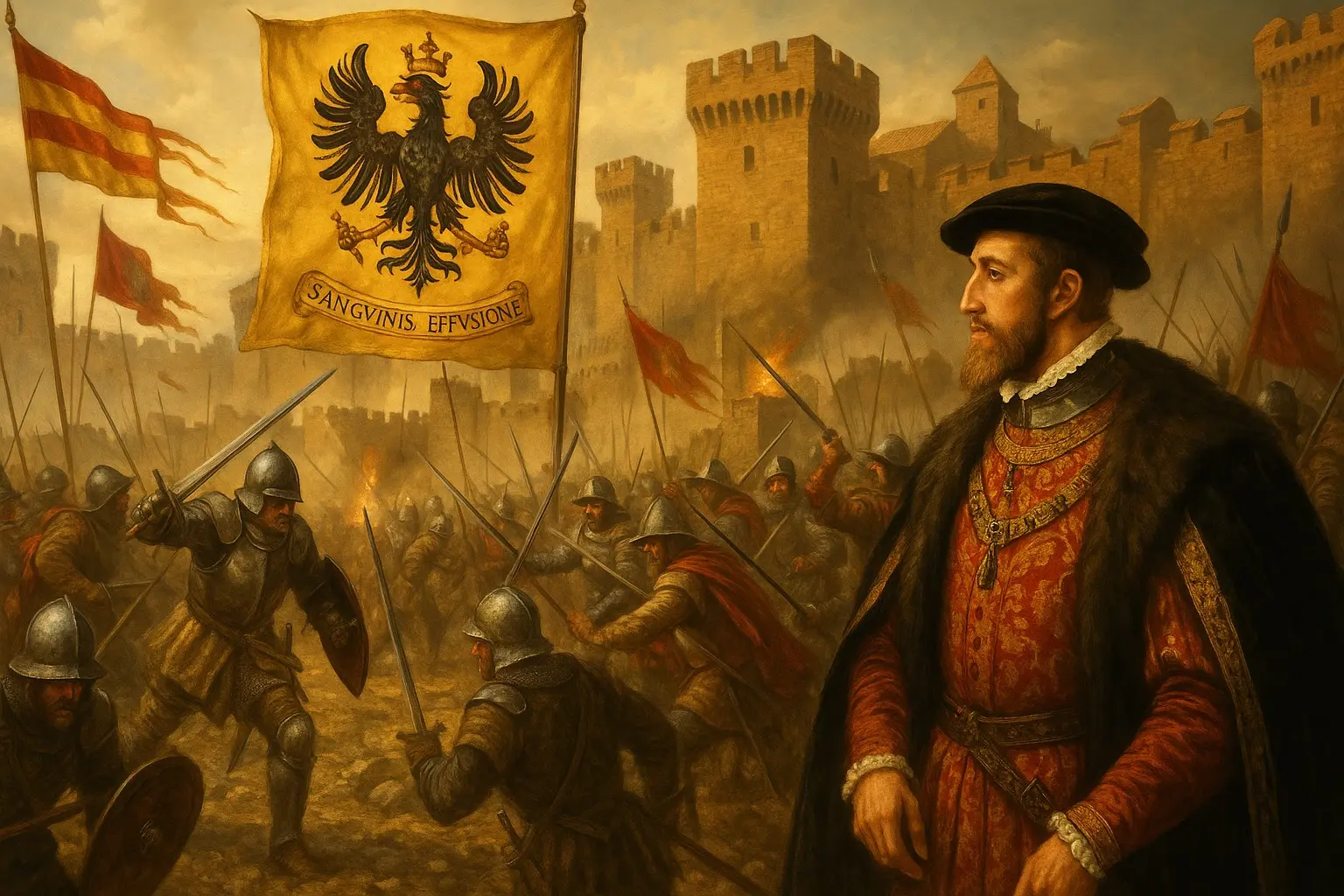
Contenuto dell'articolo
When Charles V, the last emperor of the Holy Roman Empire and king of Spain and Naples, ascended to the throne, Catanzaro stood out for its unwavering loyalty to the Crown.
Son of Philip the Handsome and Joanna the Mad, and heir of Maximilian of Habsburg and Ferdinand the Catholic, Charles V ruled over an immense empire where "the sun never set."
In the turbulent year of 1528, the city was involved in a bloody war.
Odet de Lautrec, a French commander, allied with some rebellious Calabrian feudal lords, marched against Catanzaro, supported by Simone Tebaldi, Count of Capaccio, and Francesco di Lauria, Lord of Cirella and Aieta.
But Catanzaro did not surrender: its militia counted a total of 11,000 men, including 6,000 citizens, 500 Spaniards, and troops loyal to the local lords.
After months of harsh sieges and bloody battles, on August 28, 1528, the enemy troops were forced to retreat.
The city had won, demonstrating a courage and loyalty that earned the admiration of Italy and Europe.
In gratitude, Charles V granted Catanzaro the privilege of minting coins: two mintings bore the inscriptions "obsesso cathanzario" and "Carolus V Imperator." The emperor called it "Magnifica et Fidelissima" and bestowed upon it the imperial coat of arms of the royal eagle with the motto "Sanguinis effusione." To this day, this coat of arms with the three hills and the imperial motto proudly waves on the city's banner.
In 1535, during his return from the victorious expedition to Tunis, Charles V made a stop in Calabria to thank the loyal feudal lords, but above all to reaffirm his debt of gratitude to Catanzaro, which, he wrote, had helped "preserve Calabria and save the city of Naples."
After the death of Charles V in 1558, the city went through a slow decline, worsened by the plague and the devastating earthquake of 1638. Calabria, located in a high seismic risk area, has seen many artistic and architectural treasures lost over the centuries. For this reason, the 17th century represents a period of lesser importance in the city's history.