Where "Italy was born": at the roots of our name between myth and history

Contenuto dell'articolo
Between the gulfs of Sant'Eufemia and Squillace lies one of the most fascinating secrets of our national identity: the origin of the name Italy.
This land, which we now call the isthmus of Catanzaro, holds a millennia-old history rooted in the myth and reality of ancient peoples who first gave a name to our peninsula.
The Italói: the first "Italians" in history
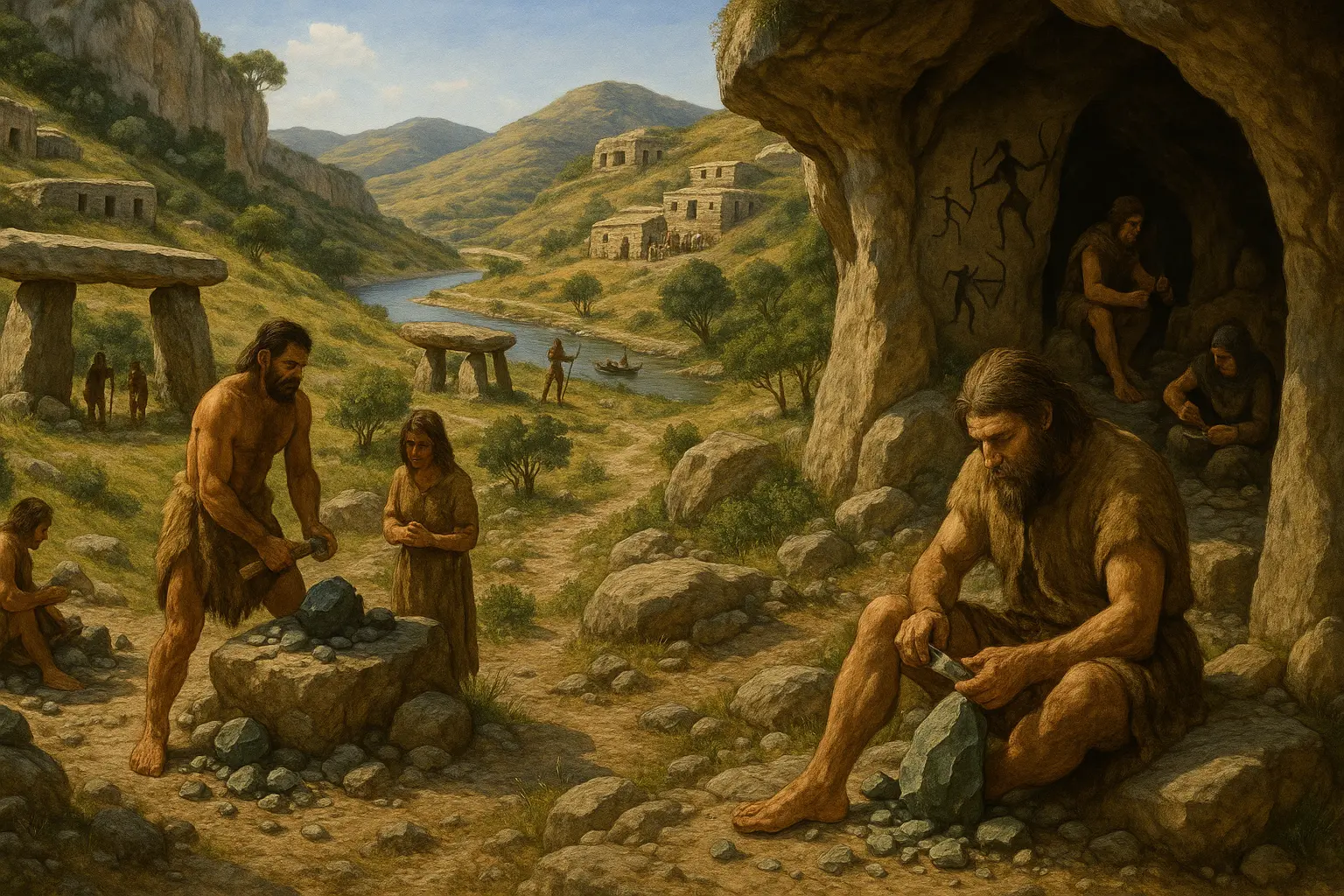
The name "Italy" derives from the Greek term "Italói," with which the Hellenic colonizers referred to the Vituli (or Viteli), an indigenous population that inhabited the southernmost tip of the peninsula, near present-day Catanzaro.
These ancient inhabitants worshipped the statue of a calf (vitulus in Latin), from which their name originated, literally meaning "inhabitants of the land of calves."
This etymology, seemingly simple, conceals a profound historical truth: until the beginning of the 5th century B.C., "Italy" exclusively referred to Calabria.
Only later did the name gradually expand northward, first encompassing the entire South, then the entire peninsula up to the Alps.
King Italo: the legendary ruler who unified the isthmus
Ancient tradition, passed down by historians such as Antiochus of Syracuse, Dionysius of Halicarnassus, and Aristotle, tells of a mythical king named Italo who in the 5th century B.C.
ruled the territory between the two Calabrian gulfs.
Antiochus of Syracuse described his reign as follows:
*"The entire land between the two seas, the Nepetinian [Sant'Eufemia] and the Scilletinian [Squillace] gulfs, was brought under the power of a good and wise man, who convinced the neighbors, some with words, others by force.
This man was called Italo, who first named this land Italy."*
A kingdom between diplomacy and conquest
According to ancient sources, King Italo was not just a conqueror, but a skilled politician who managed to unite different populations under his rule through a wise combination of persuasion and military force.
His kingdom extended over Enotria, a vast territory that included present-day Calabria and reached from the Metapontum-Posidonia axis (from the mouth of the Bradano to the mouth of the Sele).
Aristotle, in his "Politics," provides valuable details about this legendary sovereign: *"For the experts of the populations living there say that a certain Italo became king of Enotria, from whom they would be called, changing their name, Italians instead of Enotrians.
They also say that this Italo transformed the Enotrians, who were nomads, into farmers and also gave them other laws."*
A social and cultural revolution
Italo's reign represented a true social revolution for the populations of southern Italy.
According to ancient testimonies, this sovereign transformed the nomadic Enotrians into settled farmers, gave them written laws, and established the "sissizi...