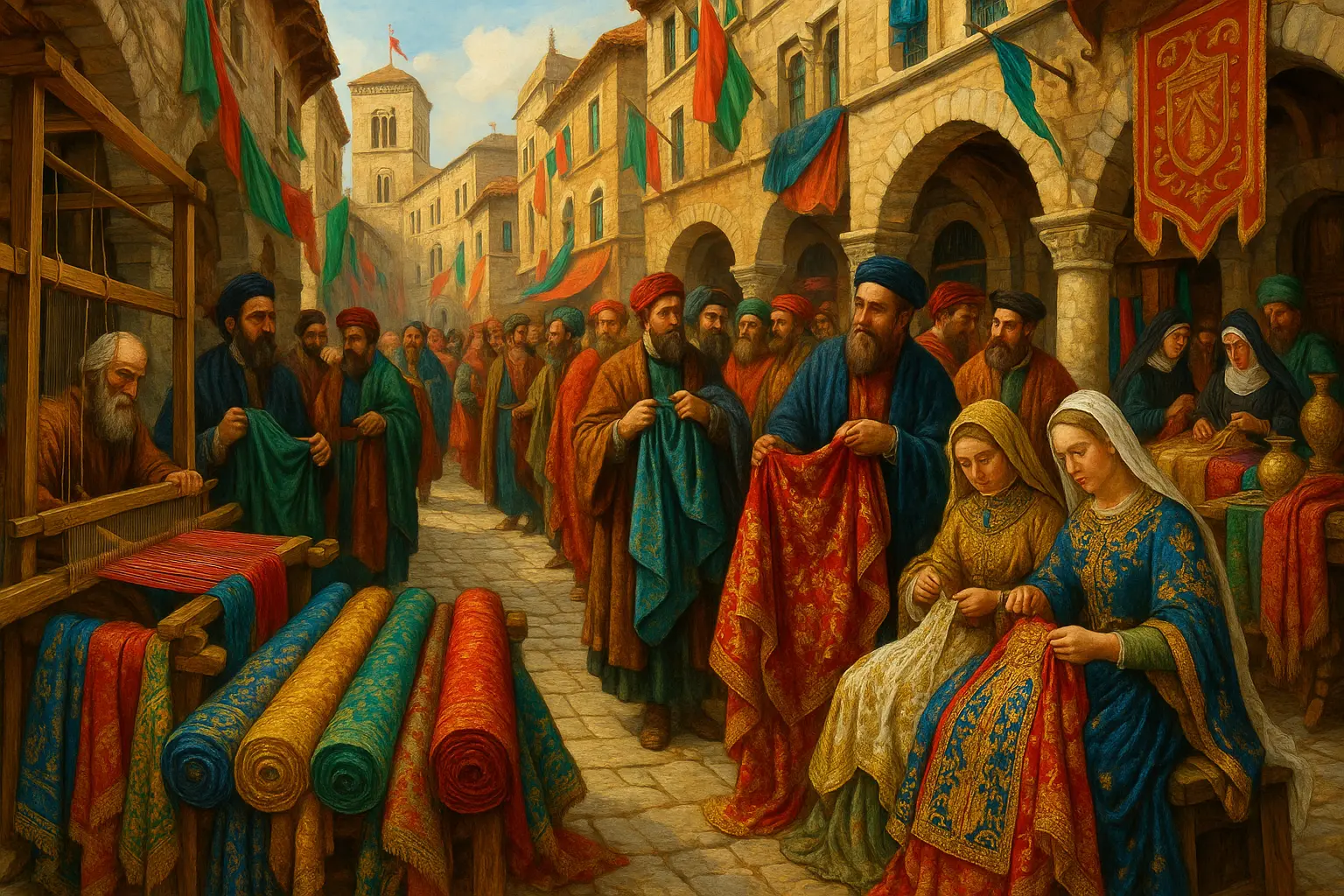
The Napoleonic Era: Revolution and the Return of the Bourbons
Contenuto dell'articolo
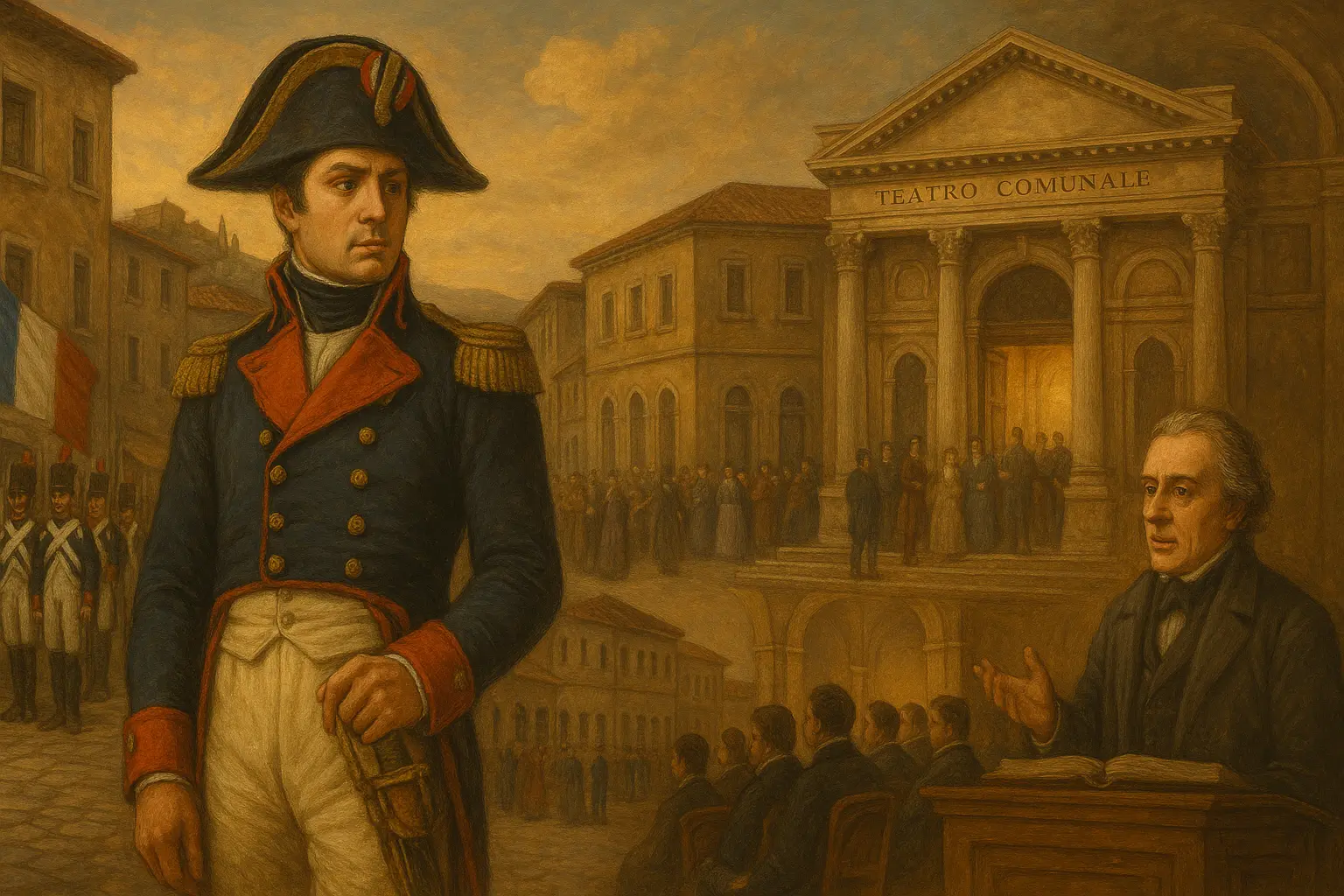
Between 1806 and 1815, Catanzaro experienced an intense chapter of its history under Napoleonic rule, when Giuseppe Bonaparte and Gioacchino Murat ascended to the throne of the Kingdom of Naples.
On July 7, 1806, the French general Reynier, leading a powerful army, entered the city, marking the beginning of an occupation war that divided the population.
On one side, loyalty to the ancient Bourbons; on the other, the vanguard of those who supported Murat, linked to Napoleon by family ties.
The French Revolution and Murat's reformist spirit brought libertarian and democratic impulses to Catanzaro, which found fertile ground in an already vibrant cultural context, also thanks to the presence of a university.
After the fall of French rule, however, the city returned under Bourbon control, with rulers like Francesco I, Ferdinando II, and Francesco II succeeding each other until the Unification of Italy.
The first half of the nineteenth century was a period of cultural rebirth: the figure of Pasquale Galluppi stands out, a philosopher born in Tropea and a professor inspired by Kant, who brought new life to the city's educational and literary world.
The National Boarding School is now named in his honor, a vibrant center of education and culture on Corso Mazzini.
In 1830, Catanzaro celebrated the birth of the "Teatro Comunale," a stage for high-quality operas and concerts for almost a century. Here, conductors, singers, and actors took turns, while the theater also became a space for various cultural events. Its original location, later demolished before the Second World War, was in the area now occupied by the Post Office building.
In 1832, a violent earthquake once again shook Calabria, bringing mourning and destruction to the city and province. Half a century later, the city found itself once again facing the difficulties and pains caused by another devastating seismic event, a sad repetition of the seismic history already experienced.