The Risorgimento: Catanzaro, Protagonist of Italian Unification
Contenuto dell'articolo
The people of Catanzaro played a central role in the path towards national unification.
Catanzaro was one of the focal points of the Carboneria and the Young Italy of Giuseppe Mazzini, who found fervent supporters here.
At the same time, philosophical and cultural studies flourished thanks to figures like Felice di Tocco and Francesco Acri, who enlivened intellectually prominent circles.
On March 23, 1848, while Carlo Alberto di Savoia declared war on Austria, the Sicilian Parliament on April 13 also proclaimed its independence, joining the Italian Federation and breaking ties with the Bourbon dynasty.
Following these events, on May 19 in Catanzaro, a "Committee of Public Health" was born to defend patriotic movements.
A key figure was Guglielmo Pepe, born in Squillace in 1783: with 10,000 men, he was sent by Ferdinando II to the north to fight the Austrians, also passing through Venice and living in exile in Turin, where he died in 1855.
Pepe was a complex personality, dedicated to politics and writing, author of important works such as the "Memoria sui mezzi che menano all’italiana indipendenza" (Memory on the means leading to Italian independence).
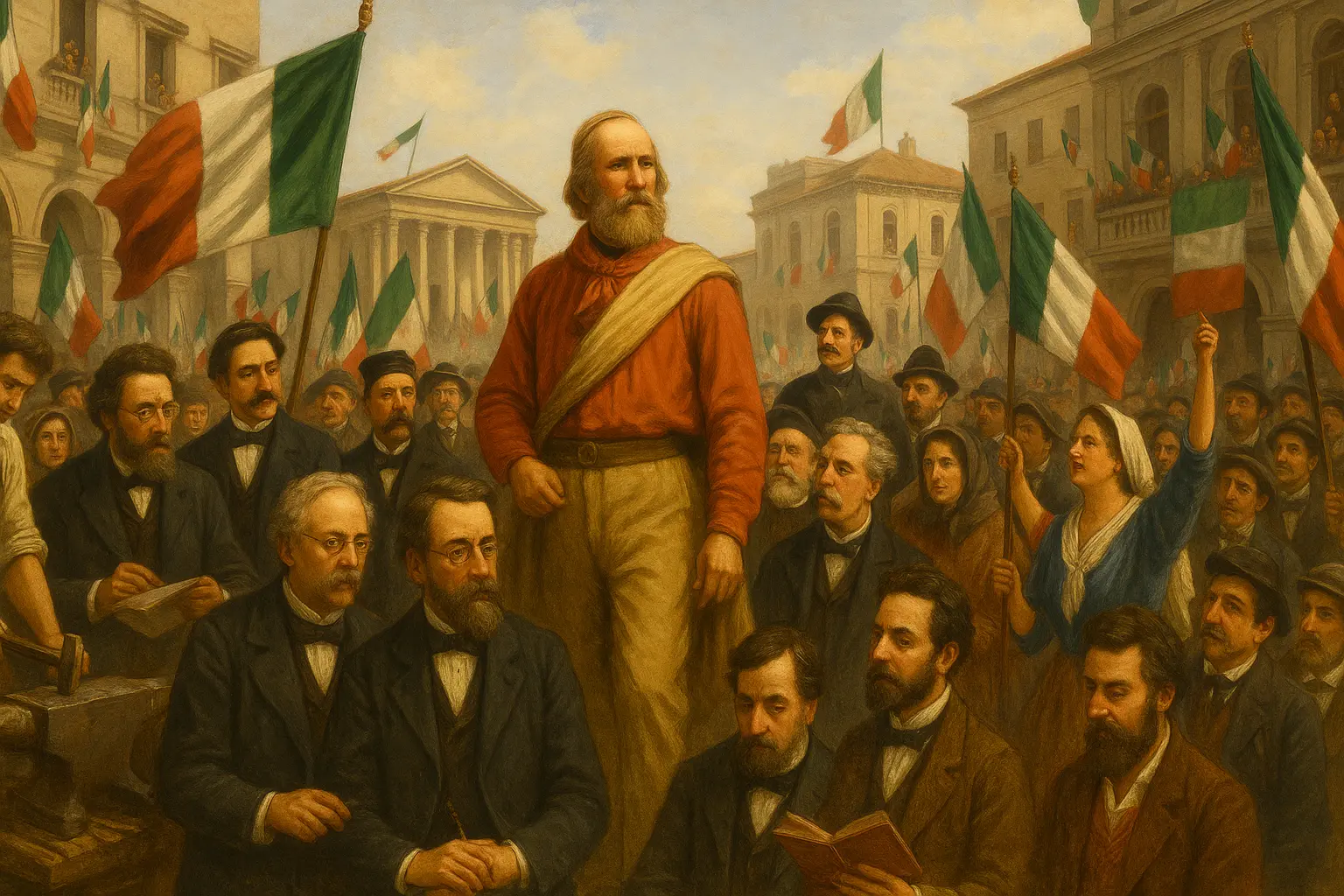
Italy was approaching unity: on August 26, 1860, Giuseppe Garibaldi arrived in the province of Catanzaro, marking the end of the Bourbon regime.
The city, despite internal conflicts between moderates and Garibaldians, voted for unity through a plebiscite and appointed pro-dictators in the name of Vittorio Emanuele II: Antonio Greco and Vincenzo Stocco.
From 1861, Catanzaro followed the fate of the new nation.
In the cultural scene, Luigi Settembrini also stands out, a Neapolitan patriot and writer (1813-1876), imprisoned for founding the sect "Figlioli della Giovine Italia" (Sons of Young Italy). In Catanzaro, where a street bears his name, Settembrini gave life to a lively cultural and political movement, animated by reformist ideals.
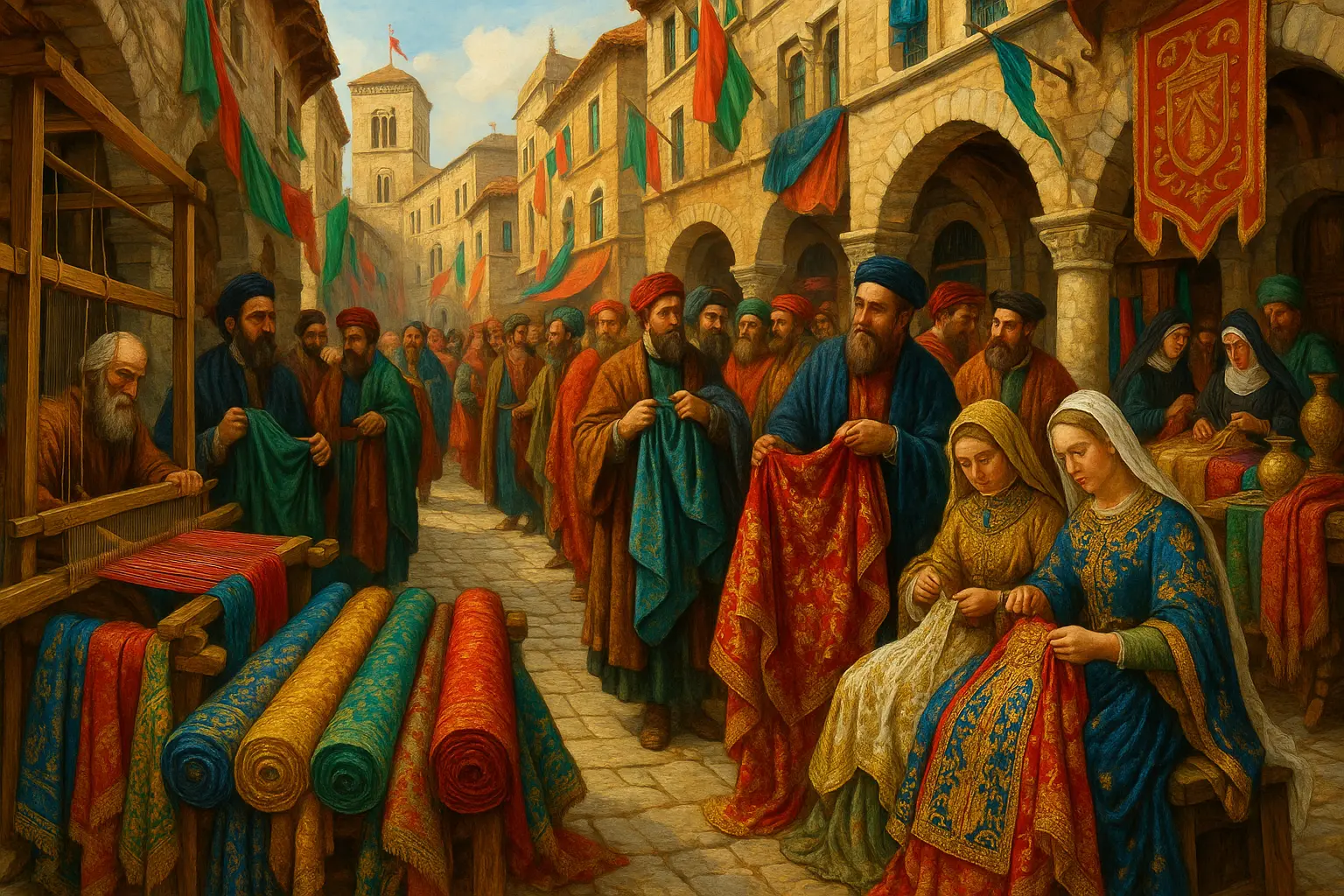
In the second half of the nineteenth century, arts and crafts continued to prosper. In 1888, the Municipal Administration established a "School of Arts and Crafts" for training in silk, ceramics, carpentry, and mechanics production. This initiative led, in 1907, to the "Royal Industrial School," a milestone for the technical and productive development of Catanzaro.