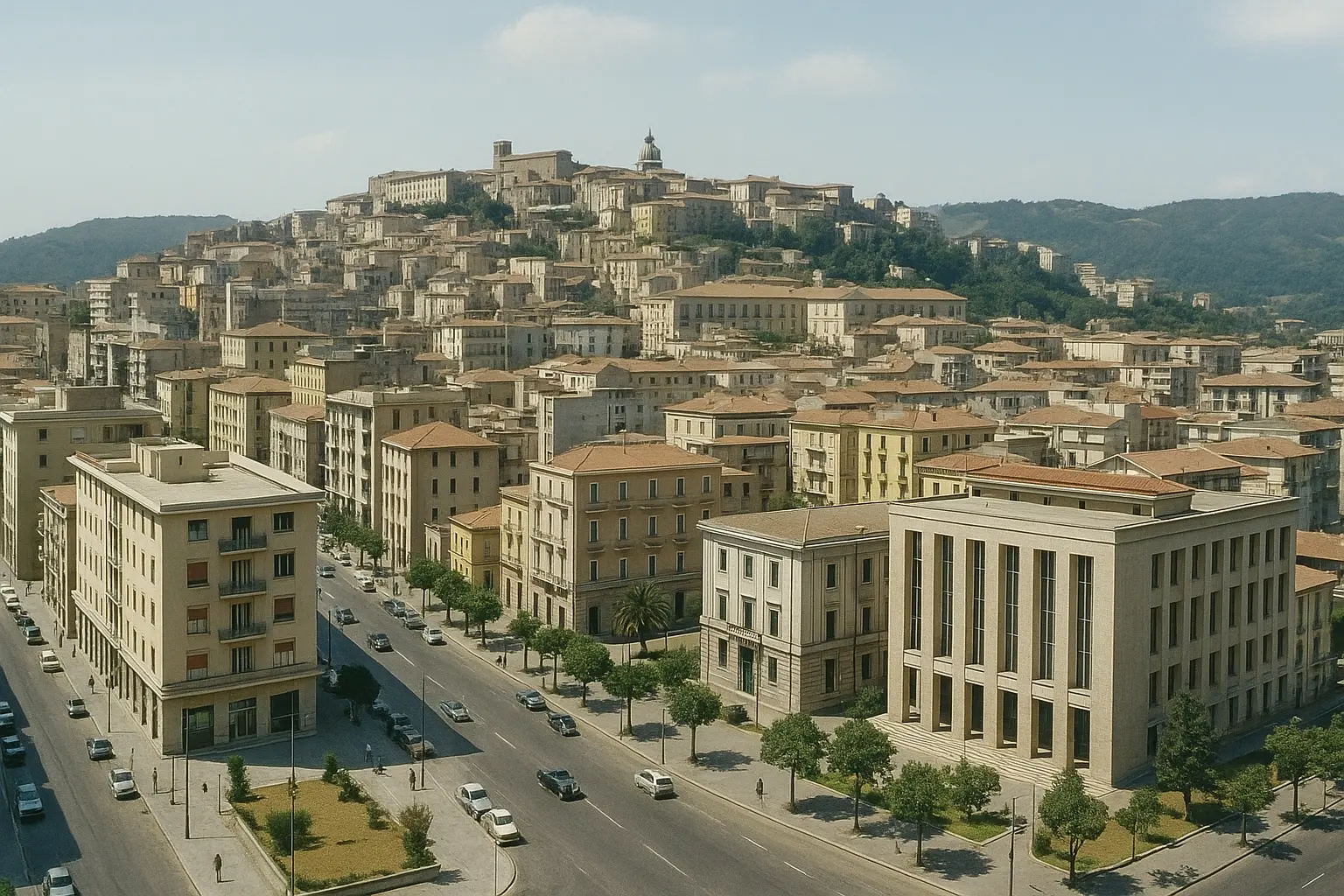
The Ancient Silk Capital: Catanzaro Between Art, Color, and Commerce
Contenuto dell'articolo
From the Middle Ages to the modern era, Catanzaro was the beating heart of silk in the Mediterranean.
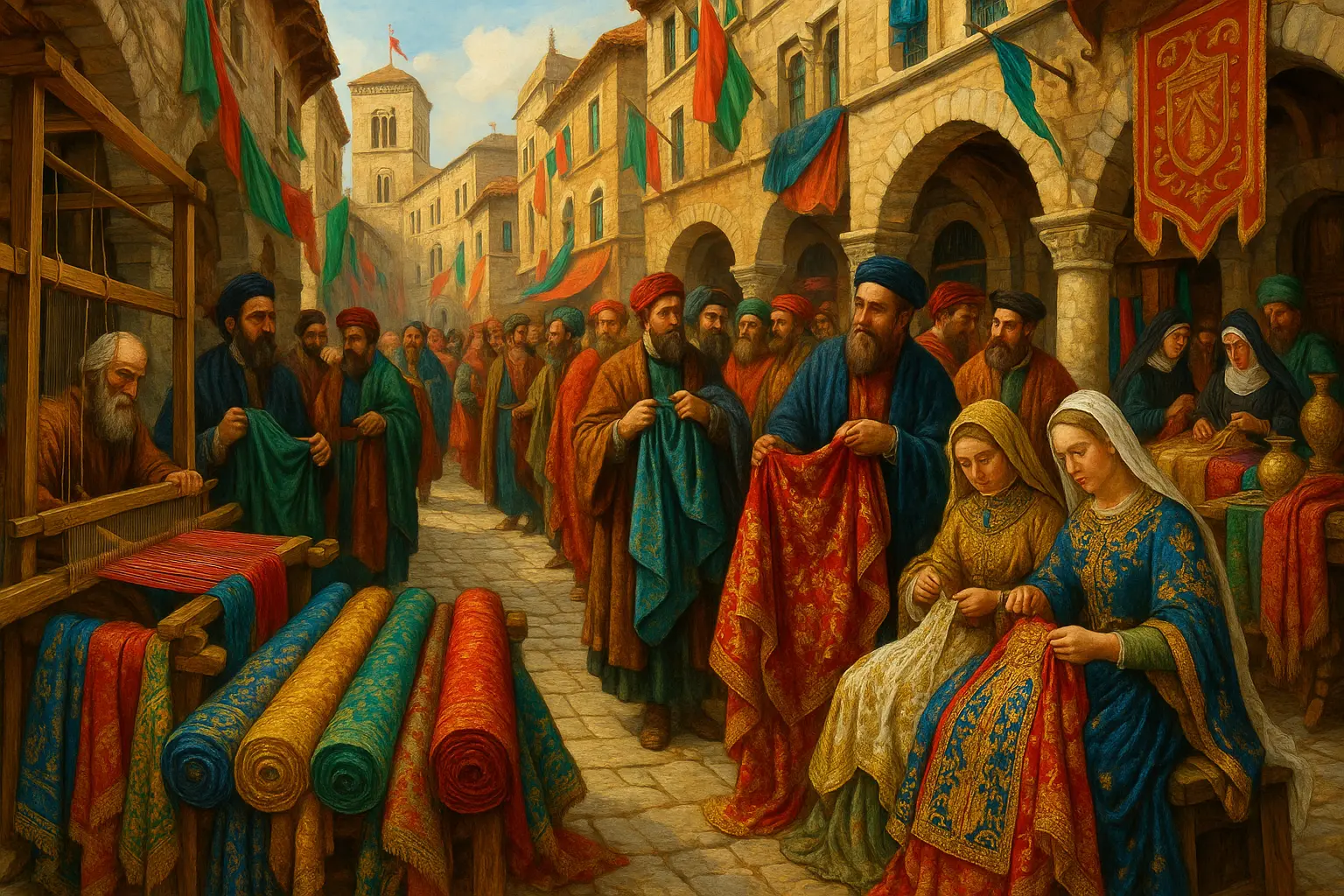
Between the 11th and the 18th century, the city stood out as one of the greatest silk centers in Europe, capable of setting trends and techniques in that universe of damasks, velvets, satins, brocades, lampas, and refined fabrics that dressed courts, churches, and international markets.
Precious fabrics for kings and markets
Ancient chronicles tell of the fame of the "cathasariti," the fabrics of Catanzaro: as early as 1205, a parchment mentions "cushions of red cathasarito, cloths of gold and silk, shawls and zendadi of different colors." In 1397, the local manufacturing had reached such prestige that King Ladislaus of Durazzo granted tax breaks as an incentive, reciprocated by a green and gold velvet hanging that adorned the throne room of Castelcapuano in Naples.
At the beginning of the 15th century, the prestigious silk production in the Kingdom of Naples was limited to Catanzaro: the city thus earned special protection and privileges from the sovereigns, aware that goods for the silk routes crossing Italy and Europe started from here.
Colors, fibers, and trade secrets
The fame of Catanzaro fabrics was not only due to technical expertise but also to the exquisite art of color.
The dyes - vibrant crimson, saffron, midnight blue, green, sky blue - were obtained exclusively from natural colorants: sky blue from a mixture called "castello," crimson from kermes (a shell collected and processed for centuries), scarlet from the roots of field madder, black from walnuts and oak galls, golden yellow from grass and yellow earth collected in the area between Tropea and Caraffa.
This dyeing wisdom gave fabrics luster, durability, and colors that never faded, greatly admired in European courts and markets.
Regulations, guilds, and quality
Quality was the result of strict regulations.
The Statutes of the Silk Guild (1519, issued by Charles V) set rigorous standards for processing, remuneration, production, and sale, to protect clients and artisans.
The Silk Consulate even determined the number of threads in the warp: each damask had 7,600 threads, a guarantee of thickness, quality, and considerable weight.
Cosmopolitan city: Greeks, Jews, and Latins
Around the silk art, a multiethnic microcosm flourished.
Greek weavers, Jewish dyers, Amalfi and Sicilian merchants...