Prehistory: Catanzaro in the Metal Ages (10,000-2,000 B.C.)
Contenuto dell'articolo
Industry and commerce: a mine of creativity and a Mediterranean crossroads
Between the late Neolithic and the Bronze Age, Catanzaro emerges as a key proto-industrial center: the monopoly on the *Green Stone of Calabria* strengthens, while the Copper Age sees the territory develop a flourishing extractive activity thanks to the mines of Gimigliano Inferiore.
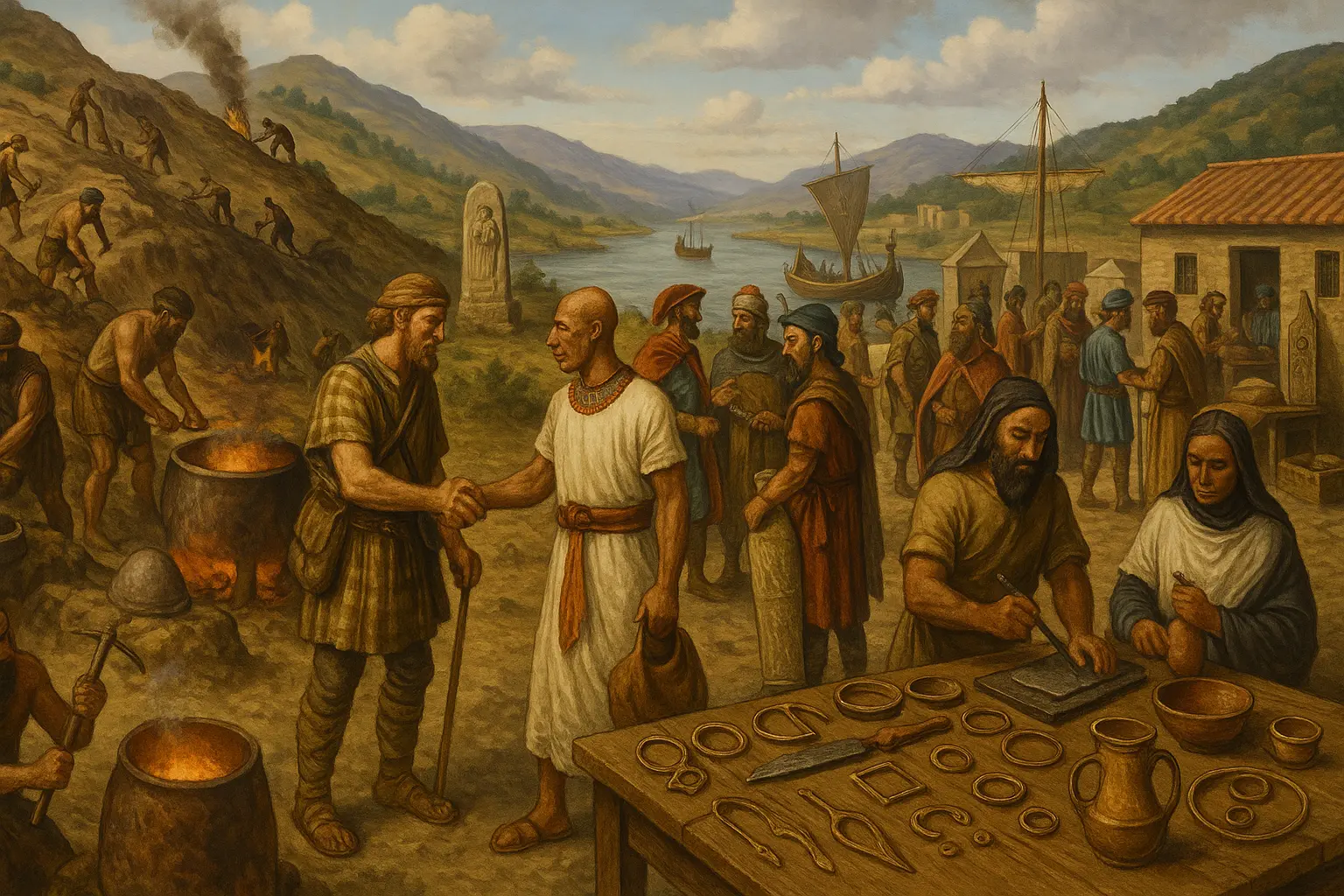
At Petrusa, the discovery of very ancient basins (datable to 8-7,000 B.C.) testifies to the refining and melting of copper already in protohistoric times, and the local metallurgical capacity.
Copper, a strategic and precious metal, ensured prosperity and commercial centrality to the region for centuries; later it was replaced by bronze (a copper and tin alloy, introduced from the 3rd-2nd millennium B.C.), which allowed the production of more robust and versatile objects, such as spearheads, fibulae, rings, razors, found not only in the Catanzaro area but also in Tiriolo, Crichi, Squillace, Settingiano, Borgia, and in the valleys of Fallaco and Corace.
Exploiting the privileged position of the isthmus and the network of mines, Catanzaro maintained its role over time as a commercial hub between the markets of the Aegean and the Iberians (notable is the connection with the copper industry of Almeria, Spain).
Eastern merchants, attracted by the local copper, established warehouses on the banks of the Corace: this is the period when the fame of the city of Temesa (mentioned by Homer and Ovid), literally "foundry" in Semitic, was born, identified with the copper mines of the territory.
Catanzaro was also a crossroads of a north-south route (Crati-Corace), which facilitated relations with Celtic populations specialized in the art of metals; in exchange for copper and local products, objects, techniques, and raw materials arrived (such as tin from Cornwall).
This prosperity accompanied the city until the outbreak of the Trojan War, when major geopolitical changes reversed routes and fortunes.
Ethnic influences and new settlements: a mosaic of peoples
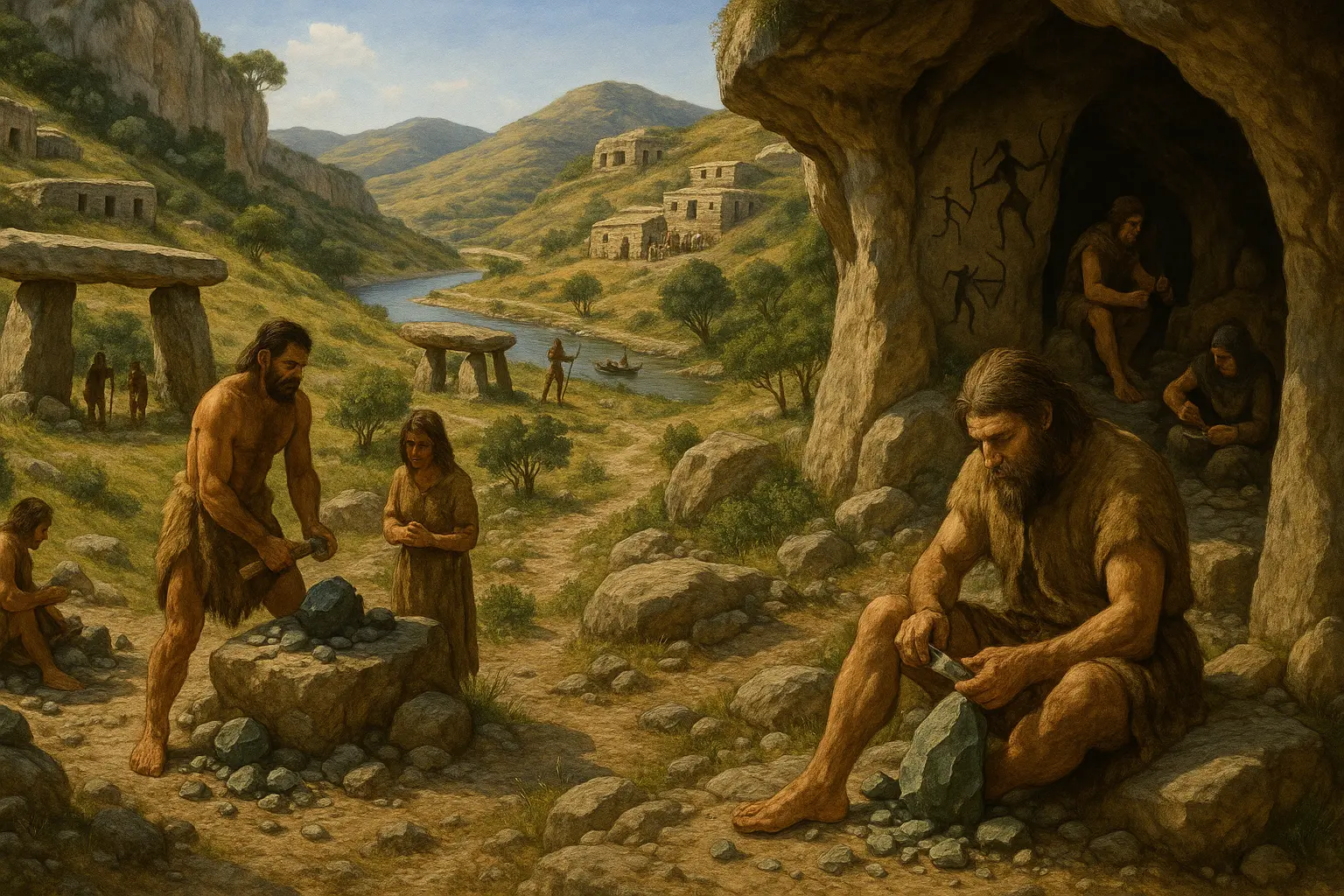
During the Bronze Age, the ancient Neanderthal and Sapiens populations were progressively replaced by "Aryan" peoples (proto-Aryans/Indo-Europeans), identified, according to different traditions, as Enotri, Ausoni, or Itale (descendants of the legendary king Italo).
Located at the crossroads of major trade routes and migrations, Catanzaro welcomed multiple ethnic waves: after an initial settlement of Aryans (3rd millennium B.C.), the proto-Latin or Latin-Siculi followed, bringing new agricultural and naval techniques.
These settlements extended not only to Catanzaro but also to the middle and lower Ionian region.
Around the 3rd millennium B.C., the first Greek colonization also began: populations from the Aegean settled in the Calabrian isthmus, harmoniously integrating into the already advanced local civilization and contributing to a marked development of agriculture and trade...