Church of the Mount of the Dead and Mercy
Accessibility
- Family friendly
Descrizione attrazione
Church of the Mount of the Dead and Mercy: a Baroque masterpiece born from piety
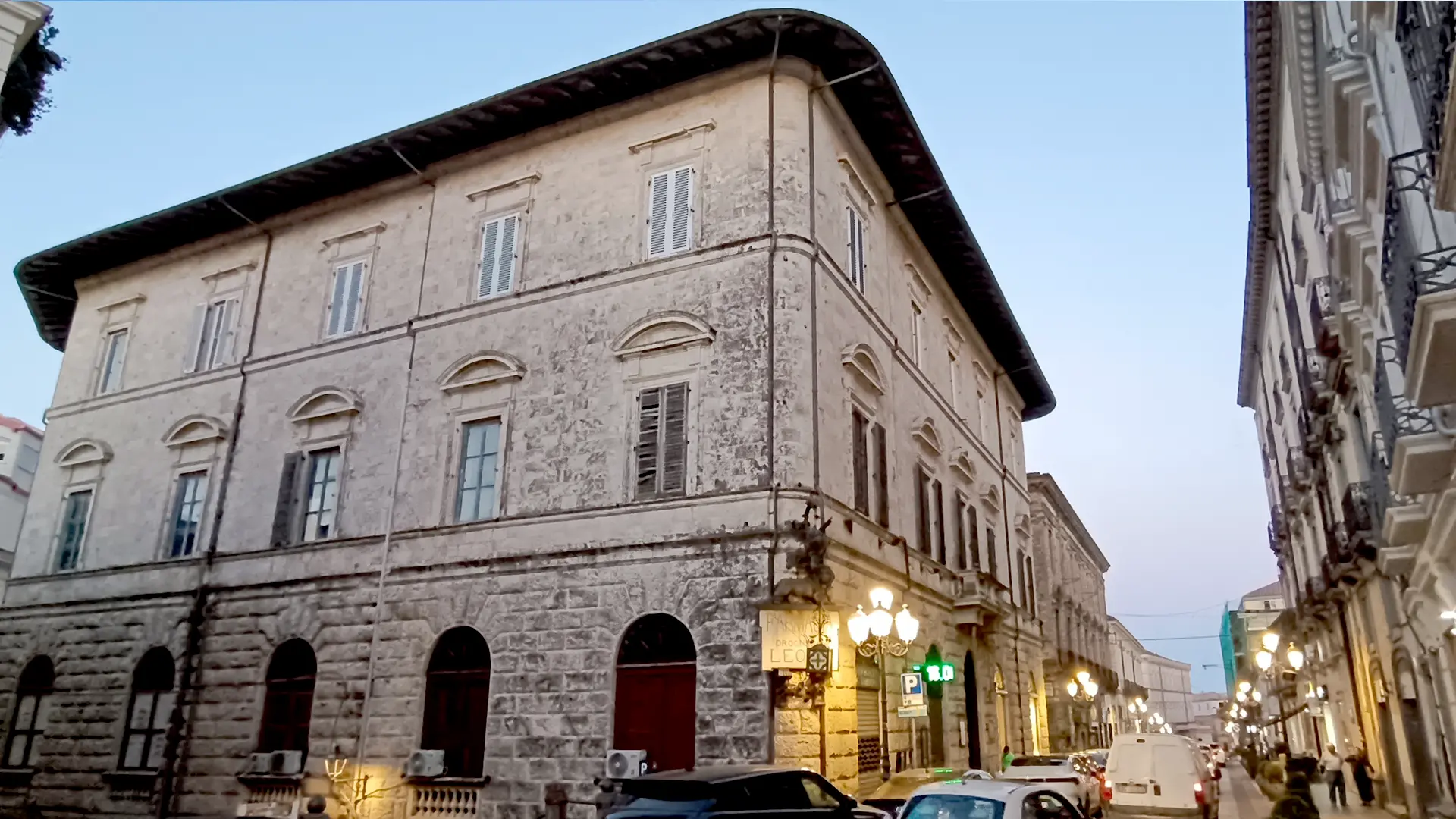
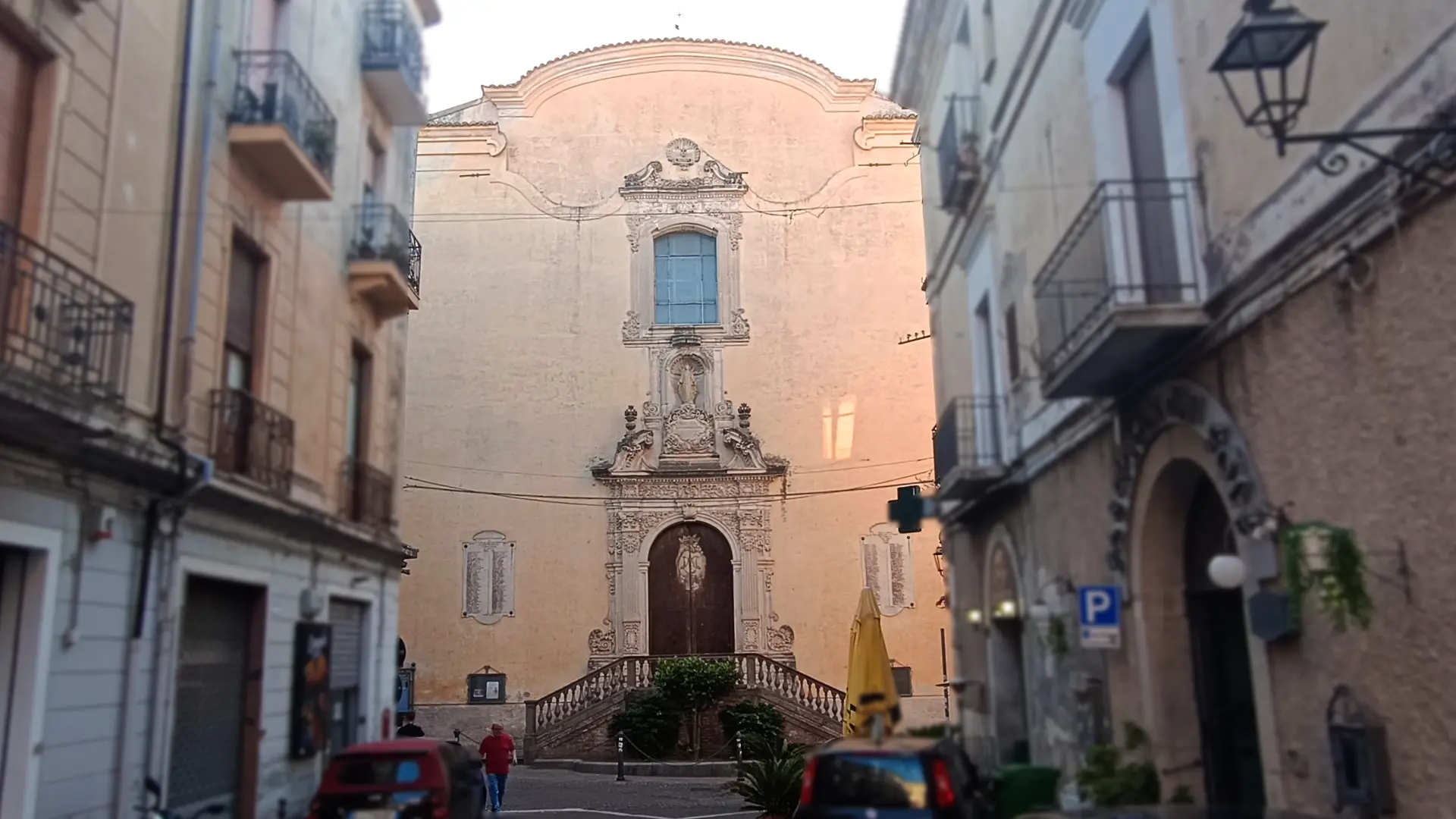
At the intersection of via XX Settembre and via Educandato, where the heart of Catanzaro beats strongest, stands one of its most precious architectural jewels: the Church of the Mount of the Dead and Mercy.
This extraordinary Baroque building, unique in the city, tells a story of faith, charity, and art that spans four centuries.
When charity builds beauty
The story begins in the seventeenth century, when some noble Catanzaro residents decided to transform a simple act of charity towards the deceased into something monumental.
What had started as a modest fund for suffrages at Santa Maria di Mezzogiorno, thanks to the vision of governors like Mario Sersale and Decio Scoglio, became an institution in need of a worthy headquarters.
In 1630, the governors Fortunato de Nobili and Giannantonio de Paula purchased the palace of the noblewomen Morano and, demolishing a part of it, built the first chapel dedicated to the Souls of Purgatory.
The "Mount of the Dead" was born, a work of mutual aid avant la lettre that collected annual contributions of thirty grana to ensure dignified burials and suffrages for all.
Don Ignazio Marincola: the visionary who dreamed big
The turning point came in 1706 with Don Ignazio Marincola, a noble Catanzaro priest devoted to San Filippo Neri.
When the old chapel threatened to collapse, this enlightened clergyman did not just repair it: he decided to build a new temple that would live up to the spiritual ambitions of the city.
The work began in 1715, but Marincola never saw his work completed, dying in 1725.
It was Don Antonio Senatore, then Don Emanuele Grimaldi, who fulfilled the dream: on May 25, 1739, Bishop Ottavio Del Pozzo solemnly consecrated what would become one of the finest examples of Calabrian Baroque architecture.
An architecture that defies conventions
What makes this church unique is its Greek cross plan, the only one of its kind in the sacred architectural panorama of Catanzaro.
The dome, without a drum and resting directly on the four large pillars, creates a scenographic effect of rare suggestion.
In the sails, four paintings by the artist Giovanni Spadea depict the Evangelists, while at the center of the dome, the "Glory of San Filippo Neri" triumphs, painted in 1796.
T...