Descrizione attrazione
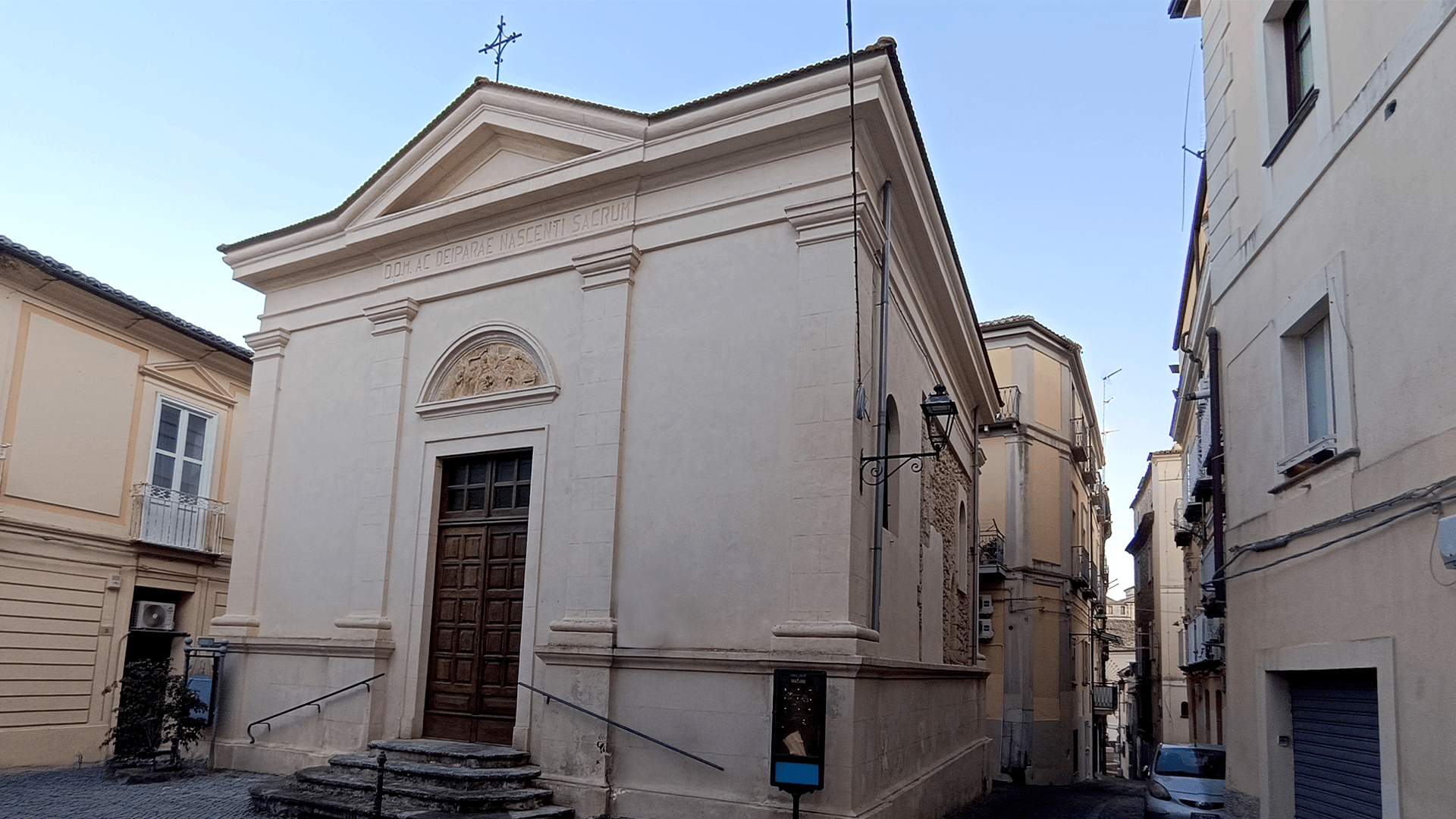
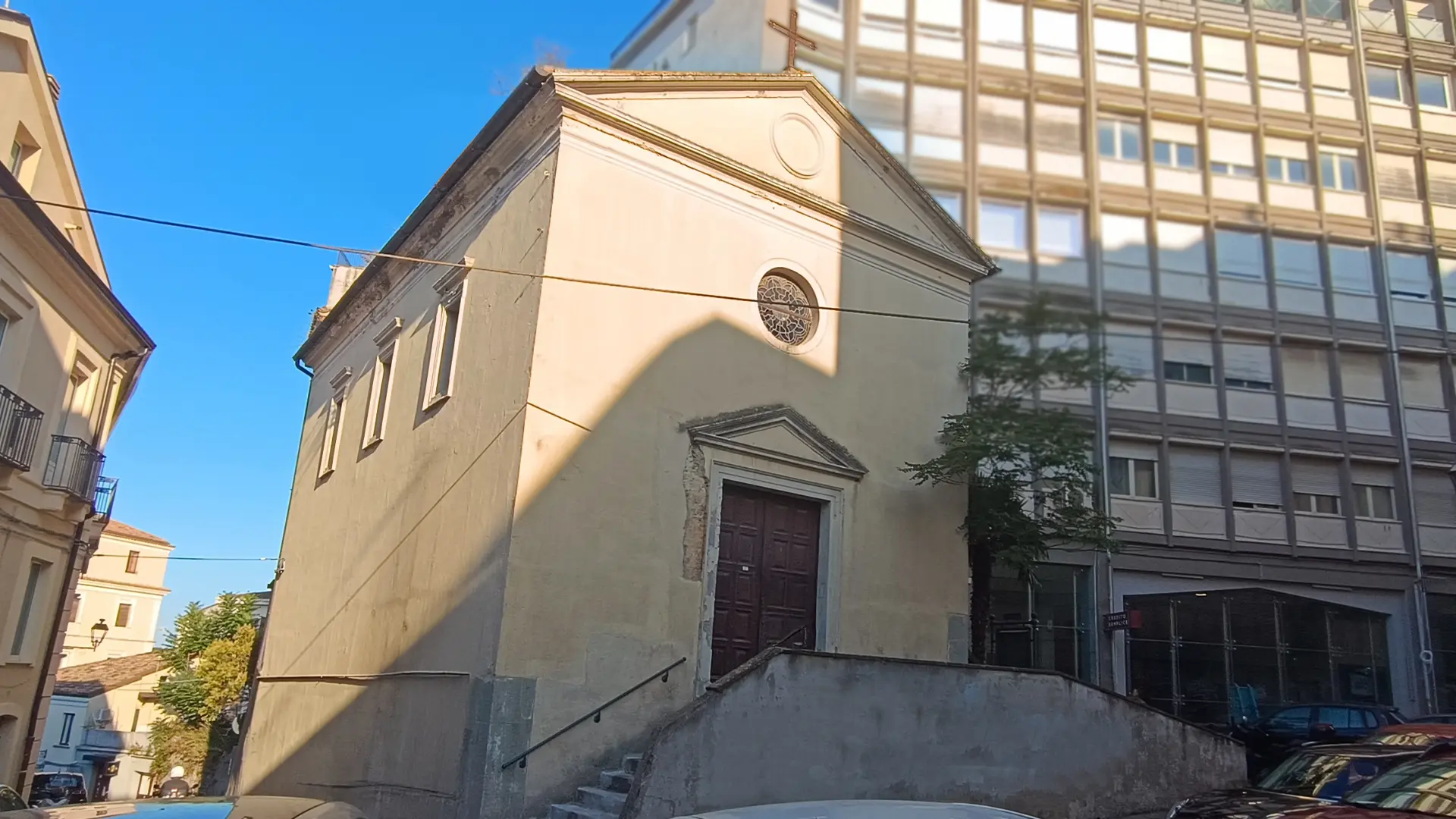
Church of San Nicola di Morano: where Greek devotion meets Latin devotion In the heart of the medieval district of San Giovanni, the small church of San Nicola di Morano preserves a fascinating history that intertwines foundational legends, migrations of peoples, and millenary devotions.
This twelfth-century temple, among the best-preserved in medieval Catanzaro, represents an ideal bridge between Byzantine and Latin tradition, testifying to the complex cultural stratifications that have shaped the city's identity. From mysterious origins to the legend of Captain Favatà The first documentary traces of the church date back to the twelfth century when it was mentioned as San Nicola Ustunci or de Rustunci in a deed of sale of houses made of raw clay. However, it is Vincenzo D'Amato's version in his "Memorie Historiche" that gives legendary charm to its origins: according to the seventeenth-century historian, this would have been the first place of worship founded by the mythical Greek captain Favatà, "almost at the top of the city, exposed to the north wind". When the Latins settled in this area, the captain withdrew to the Greek quarter founding another church dedicated to the same saint, the current San Nicola di Favatà. As D'Amato explains, "it is not surprising that so many churches were erected in those times under the name of this saint, because the devotion of the Greeks towards this blessed bishop was extraordinary". A peasant named Morano and his church The current name derives from a more prosaic but no less touching story. In 1602, Gariano recounts that the church was "built by a peasant of this city, named Morano, from the name of his native town, hence it is called S. Nicolao di Morano". This simple believer, originally from the Calabrian town of Morano, left his name to one of the most beloved places of devotion in Catanzaro. The merchants' quarter: Amalfitani and Sicilians The church was located in the "Latin" district of San Giovanni, where around the twelfth century colonies of Amalfitan and Sicilian merchants settled. They founded the churches of Sant'Angelo (called de Malphitanis) and San Nicola (called Sigilli), as documented in a deed from 1265. The religious geography of the district changed in the second half of the fifteenth century: the Sicilian community abandoned San Nicola to move to Sant'Angelo (which became "de Siclis"), while the Amalfitan merchants, after the expulsion of the Jews, transformed the ancient synagogue into the church of Santo Stefano de Malphitanis under the pontificate of Alexander VI. The saint of "women": protector of girls from marriage The popular title "of the Women" does not derive, as D'Amato claimed, from the "frequency of those to whom he gave the name", but from the particular devotion reserved for San Nicola as the protector of girls from marriage. Tradition tells that the holy bishop of Myra, upon learning that a neighbor in poverty planned to destine his three daughters to prostitution for...