Church of Sant'Angelo de Siclis
Accessibility
- Family friendly
Descrizione attrazione
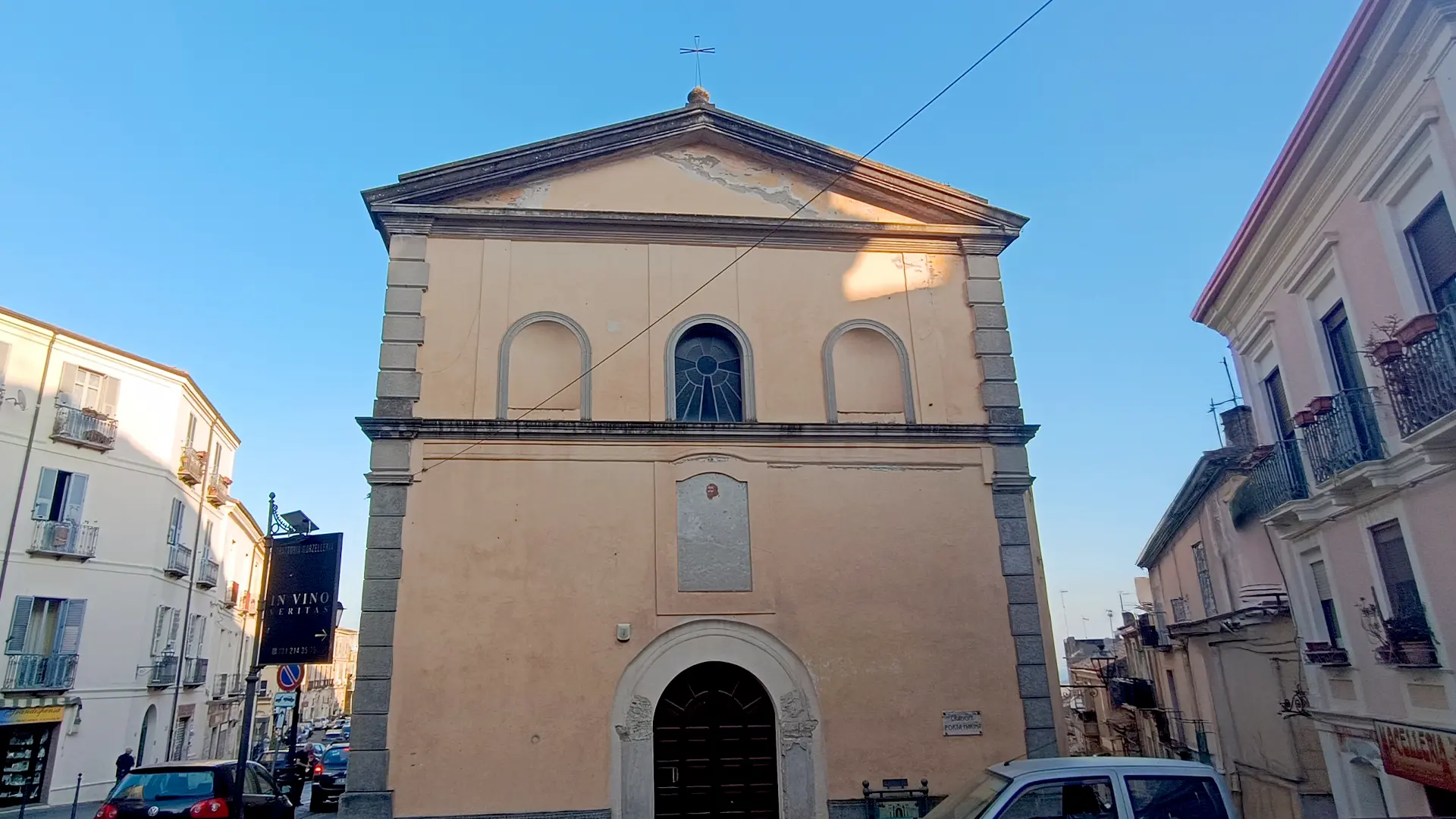
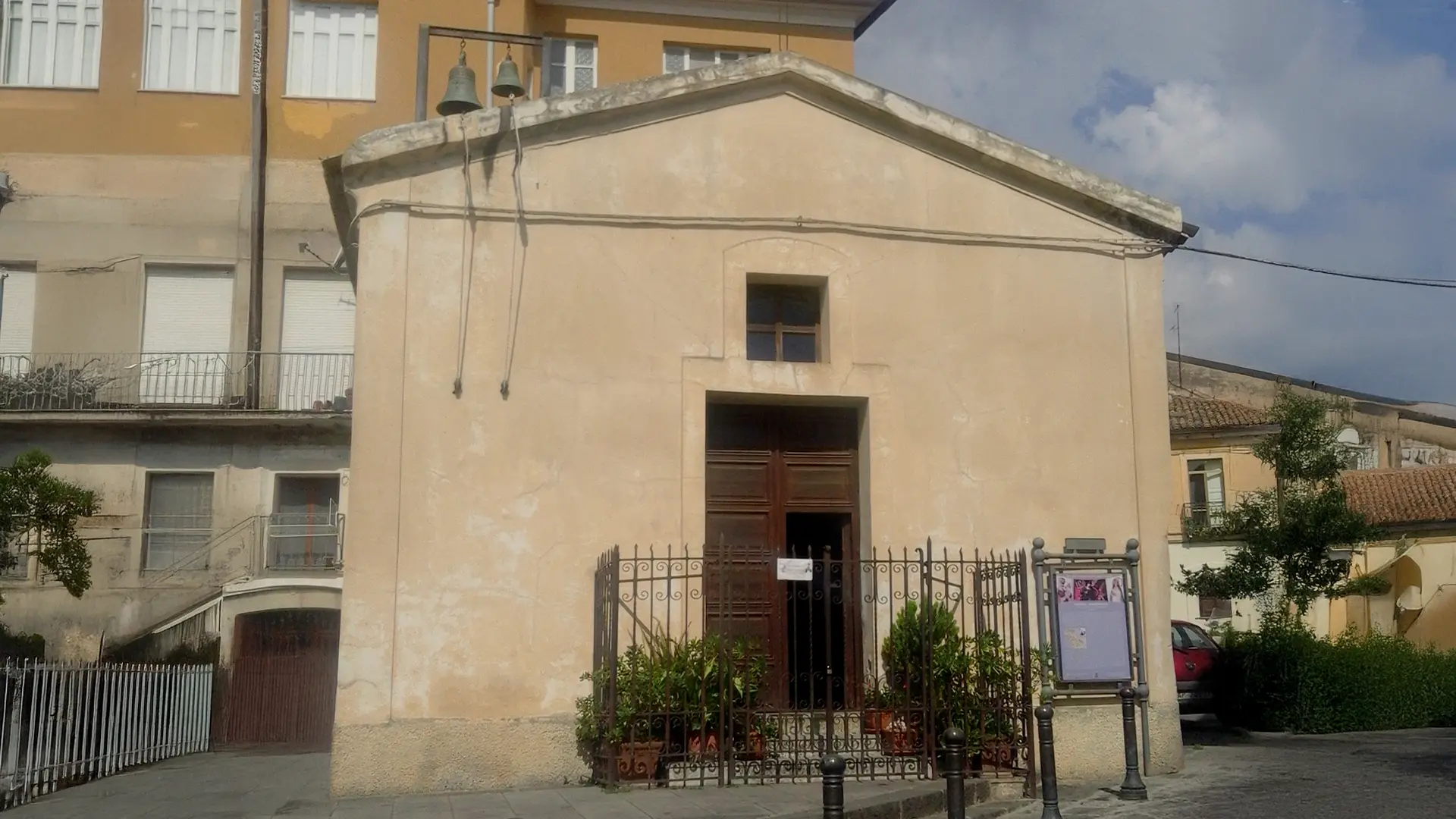
Church of Sant'Angelo de Siclis: where three cultures created a city In the heart of the ancient district of Paradiso, between via Marincola Politi and the historic via Case Arse, stands one of the most fascinating and symbolic places in Catanzaro: the church of Sant'Angelo de Siclis.
This small thirteenth-century temple holds an extraordinary story that tells how three peoples - Greeks, Jews, and Latins - transformed a city into a crossroads of cultures and commerce. Trilingual Catanzaro: when diversity was wealth To understand the importance of this church, one must immerse oneself in medieval Catanzaro, when the city experienced its most splendid period thanks to the art of silk. From the 11th to the 17th century, Catanzaro was a unique example of multicultural coexistence: the Greeks, refugees from the coasts and skilled weavers, founded the first inhabited nucleus called "Grecìa"; the Jews, arriving in 1073 and renowned dyers, brought their secret techniques; the Amalfitans and Sicilians, experienced merchants, created the commercial networks that made Catanzaro silk famous throughout the Mediterranean. This "trilingual culture" was not just an economic phenomenon, but a true social revolution: a democratic society avant la lettre, free from religious fundamentalisms and political ideologies, where the value lay in the "coexistence of differences." A church that changes its name following history The first mention of the church dates back to 1267, in a Greek document that identifies it as "S. Angeli Malfitanorum" - Sant'Angelo degli Amalfitani. This title remained until 1540, a crucial year when the Jews were expelled from the city. From that moment, the Amalfitans moved to the church of Santo Stefano (the ancient synagogue transformed into a Christian building), while Sant'Angelo became "de Siclis" - of the Sicilians. This change of denomination tells a fascinating page of urban history: after the expulsion of the Jews, the merchant groups reorganized territorially. The Campanians moved towards the very central Giudecca, while the Sicilians, previously aggregated around San Nicola di Morano, found their new spiritual home in Sant'Angelo. A miracle that attracts pilgrims In 1670, the historian Vincenzo D'Amato reported that in the church was venerated "an Image of Our Lady for infinite miracles, which she performs, and graces, which she bestows on her devotees." He was probably referring to the precious wooden statue of the Immaculate Conception, still preserved in the church today: a seventeenth-century sculpture of great artistic value, dressed in silken garments (a tribute to the city's textile traditions), representing the Virgin Mary as she crushes the tempting serpent. Rebirth after disasters The earthquake of 1783 marked a setback: the church was suppressed and annexed to the parish of San Giorgio. It remained closed for decades until the Marincola family, in the nineteenth century, financed its restoration res...