Church and Convent of Santa Maria delle Grazie
Accessibility
- Family friendly
Informazioni attrazione
Descrizione attrazione
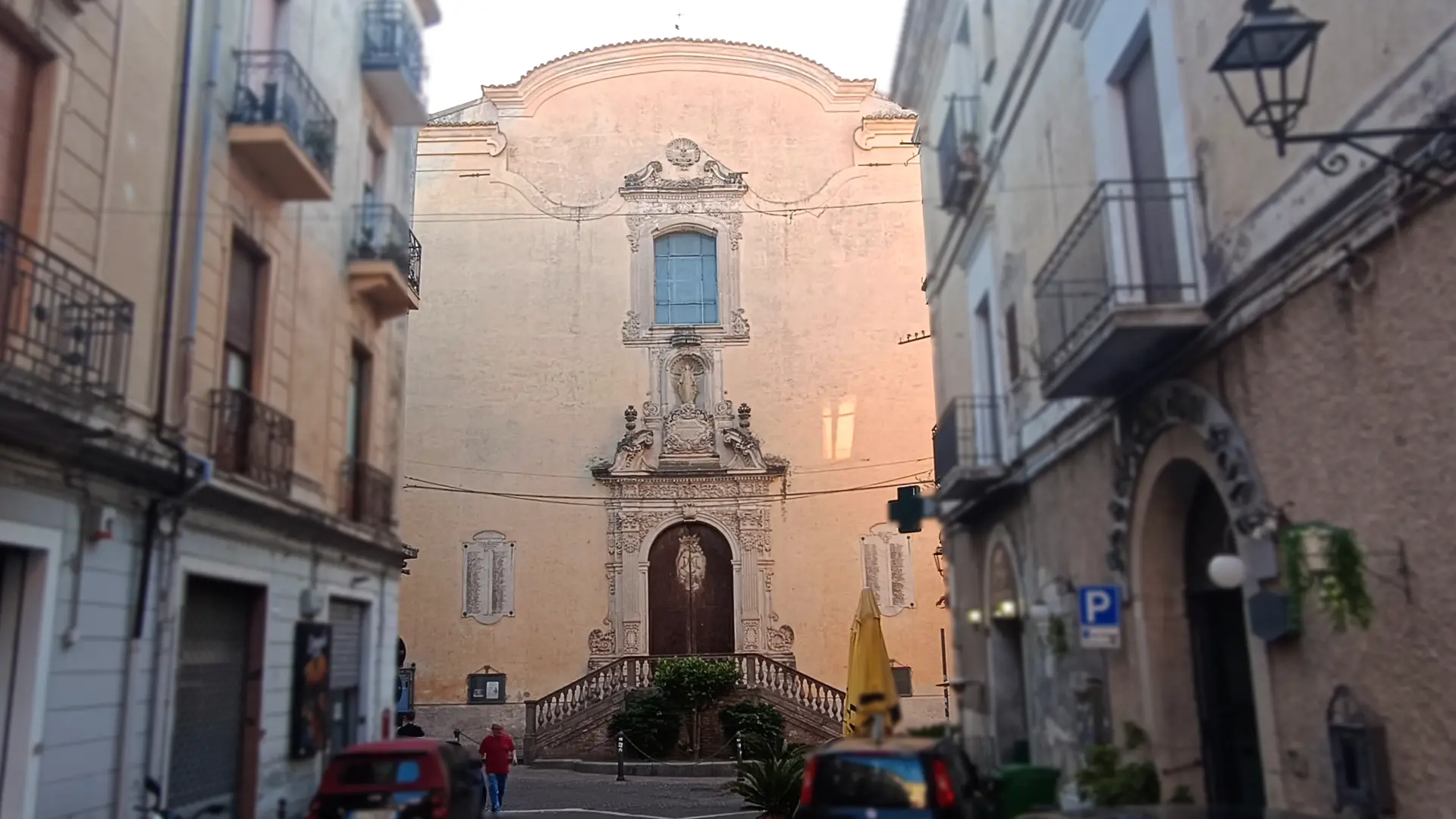
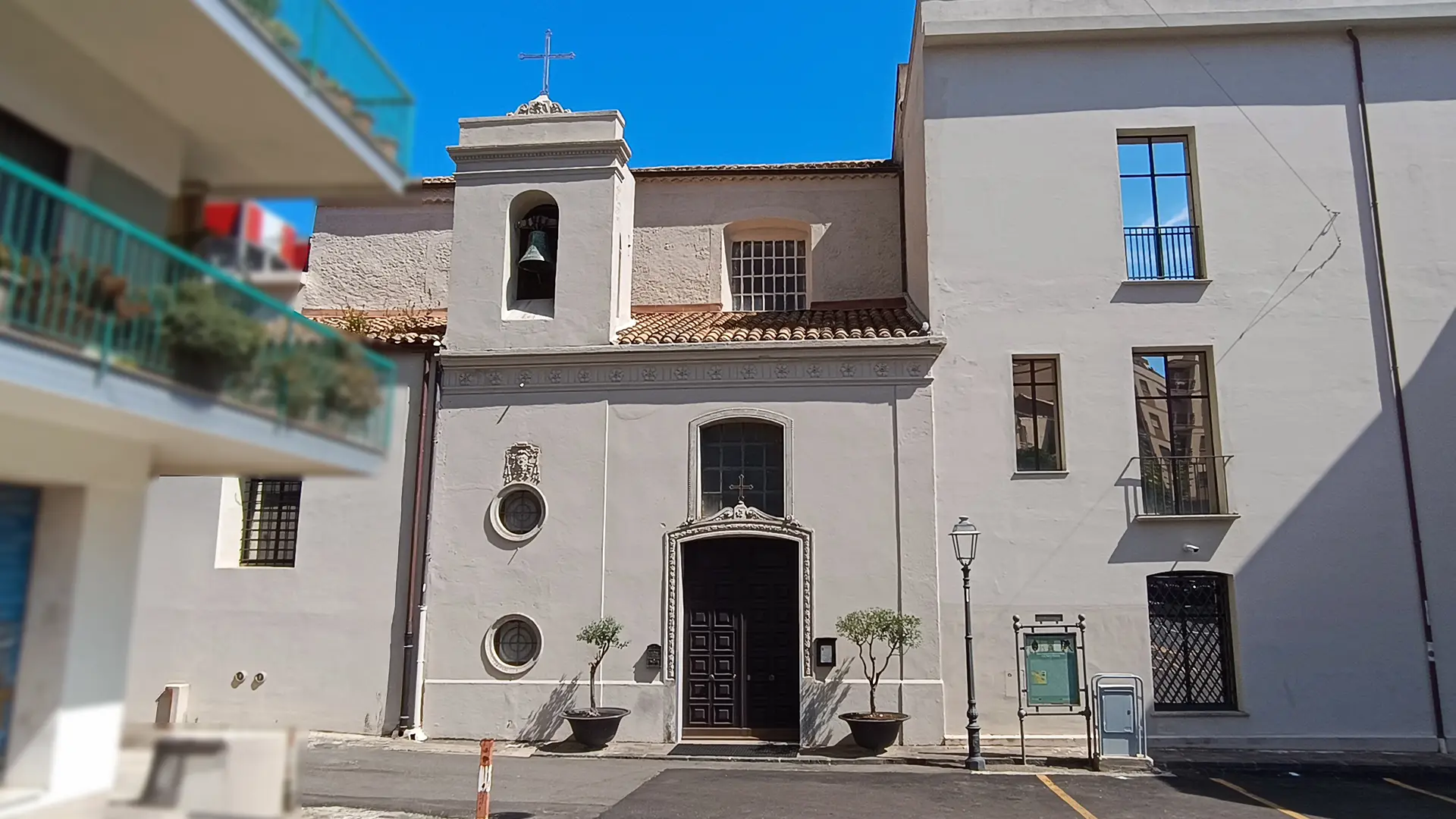
Church and Convent of Santa Maria delle Grazie (Santa Teresa all'Osservanza) In the heart of the historic district of Catanzaro, where the ancient medieval castle once stood, stands a monastic complex that encapsulates five centuries of Calabrian history.
The Church of Santa Maria delle Grazie, now dedicated to Santa Teresa all'Osservanza, represents an extraordinary example of how political and religious events have shaped the sacred architecture of the South. A convent born from the ruins of power The history of this holy place begins in 1447 with an act of defiance. The Observant Franciscans wanted to build their convent on Mount Pezzano, but they clashed with the opposition of Count Antonio Centelles, lord of Catanzaro. Only after the expulsion of the nobleman in 1457, Friar Paolo da Sinopoli could finally realize the monastic dream, symbolically using the stones of the demolished castle to build the house of God. This troubled genesis gives the complex a particular charm: every stone tells the transition from feudal power to Franciscan spirituality, from the castle-fortress to the convent-refuge. Art treasures in a casket of faith The interior houses authentic artistic wonders that deserve careful attention. The **Madonna delle Grazie** by Antonello Gagini (1504) dominates the presbytery with its Renaissance marble elegance, while the famous **reliquary cross from 1535** represents a unique piece in Calabrian sacred art: on the front it narrates the life of Christ and the Virgin, on the back it presents the "Seraphic Tree," a sort of figurative genealogy of the Franciscan Order. Particularly evocative is the **Chapel of the Holy Sepulchre**, commissioned in 1548 by Friar Michele de Angioii upon returning from the Holy Land. Here the pilgrim can still perceive the echoes of Jerusalem devotions through the original relics of the sacred places. The **seventeenth-century sculptural group of the Madonna della Salute** reveals Neapolitan influences in the refined damask decorations of the garments, testifying to the lively artistic exchanges between Calabria and the Kingdom of Naples. An architecture that defies time The **fifteenth-century cloister** is perhaps the most fascinating element of the complex. The twenty pointed arches, resting on pillars of local tuff, create a play of light and shadow that invites contemplation. The layout follows the Swabian Cistercian tradition, demonstrating how the Renaissance in Calabria was grafted onto deep medieval roots. The current configuration of the church tells a story of adaptation and resilience: after the nineteenth-century suppressions, when the convent became a military hospital, the community managed to preserve the presbytery, transforming it into the current sacred space through ingenious architectural interventions. Decorations that speak of faith The **late Baroque stuccoes** that adorn domes and vaults create an atmosphere of festive contemplation, typical of...