Informazioni attrazione
sabato: 9:00 - 12:00
È possibile effettuare visite guidate per un numero massimo di 20 persone purché accompagnati da una guida turistica abilitata previa prenotazione
Descrizione attrazione
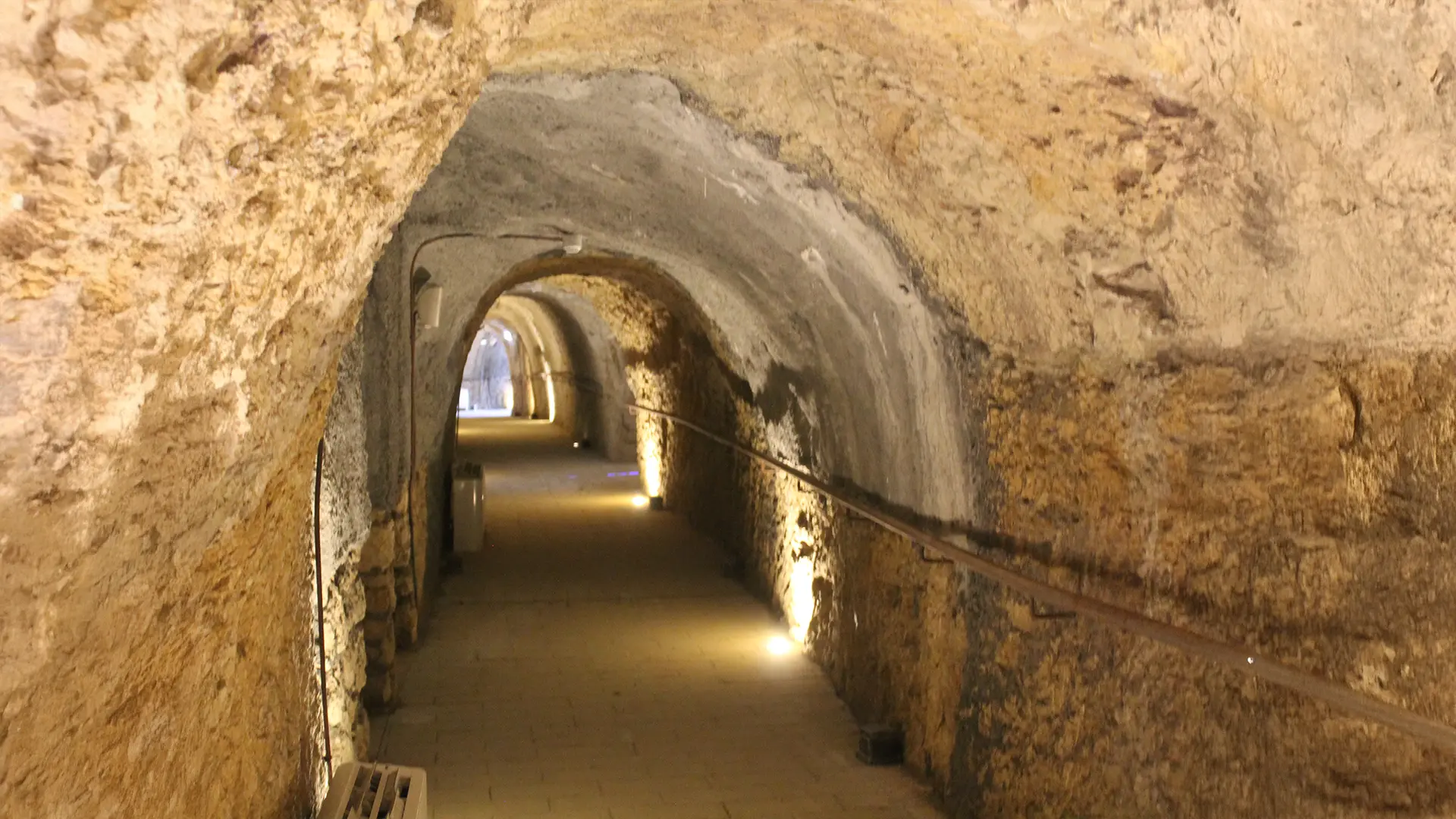
Castle Galleries: the underground secrets of Catanzaro Under the modern Corso Mazzini, in the pulsating heart of Catanzaro, lies one of the most fascinating and mysterious archaeological treasures of the city: the Castle Galleries.
These ancient underground passageways, dating back to 1070, represent an extraordinary page of Catanzaro's medieval history, a stone labyrinth that tells of military strategies, court intrigues, and dramatic escapes through the centuries. The Norman roots of a defensive system The construction of the galleries dates back to the Norman domination era, when Catanzaro assumed a fundamental strategic role in controlling Calabria. The year 1070 marks the beginning of an ambitious fortification project that transformed the city into one of the most impregnable strongholds of medieval Southern Italy. The Normans, masters in the art of war and military engineering, conceived these galleries as an integral part of a complex defensive system. They were not just simple tunnels, but a real underground network connecting the key points of the castle with the outside of the city, creating a security device that had no equal in Southern Italy at that time. A stone labyrinth beneath the city The galleries unfold as an intricate system of walkways carved into the living rock, a testament to the engineering skill of medieval builders. These tunnels, some of which are still unexplored, wind for kilometers beneath the historic center, creating an underground city parallel to the one on the surface. The construction technique reveals the influence of Byzantine and Arab architectural traditions, filtered through the Norman experience. The barrel vaults, the reinforcements in local stone, the ventilation and drainage systems demonstrate a deep knowledge of underground engineering that anticipated modern urban excavation techniques by centuries. Escape routes and corridors of power The galleries served multiple strategic functions. Firstly, they represented a system of escape routes for nobles and military commanders in case of siege. The tunnels allowed them to leave the castle and reach safe exit points outside the city walls, ensuring the continuity of command even in the most desperate situations. But the galleries were also corridors of power: through these secret passages, lords and dignitaries could move unseen, conduct confidential negotiations, organize military strategies away from prying eyes. It was a parallel world where the fate of the city and the surrounding territory was decided. Refuges and secret storerooms During sieges, the galleries turned into shelters for the civilian population and storage areas for food and weapons. The larger spaces could accommodate dozens of people, while niches and recesses were used to hide treasures and important documents. This system...