Vai alla sezione principale
Vai alle informazioni attrazione
Vai alla descrizione
Vai alle indicazioni
Intendance Palace of Finance: The Florentine Renaissance in the Heart of Catanzaro
Accessibility
- Family friendly
Descrizione attrazione
Corso Mazzini - 1910
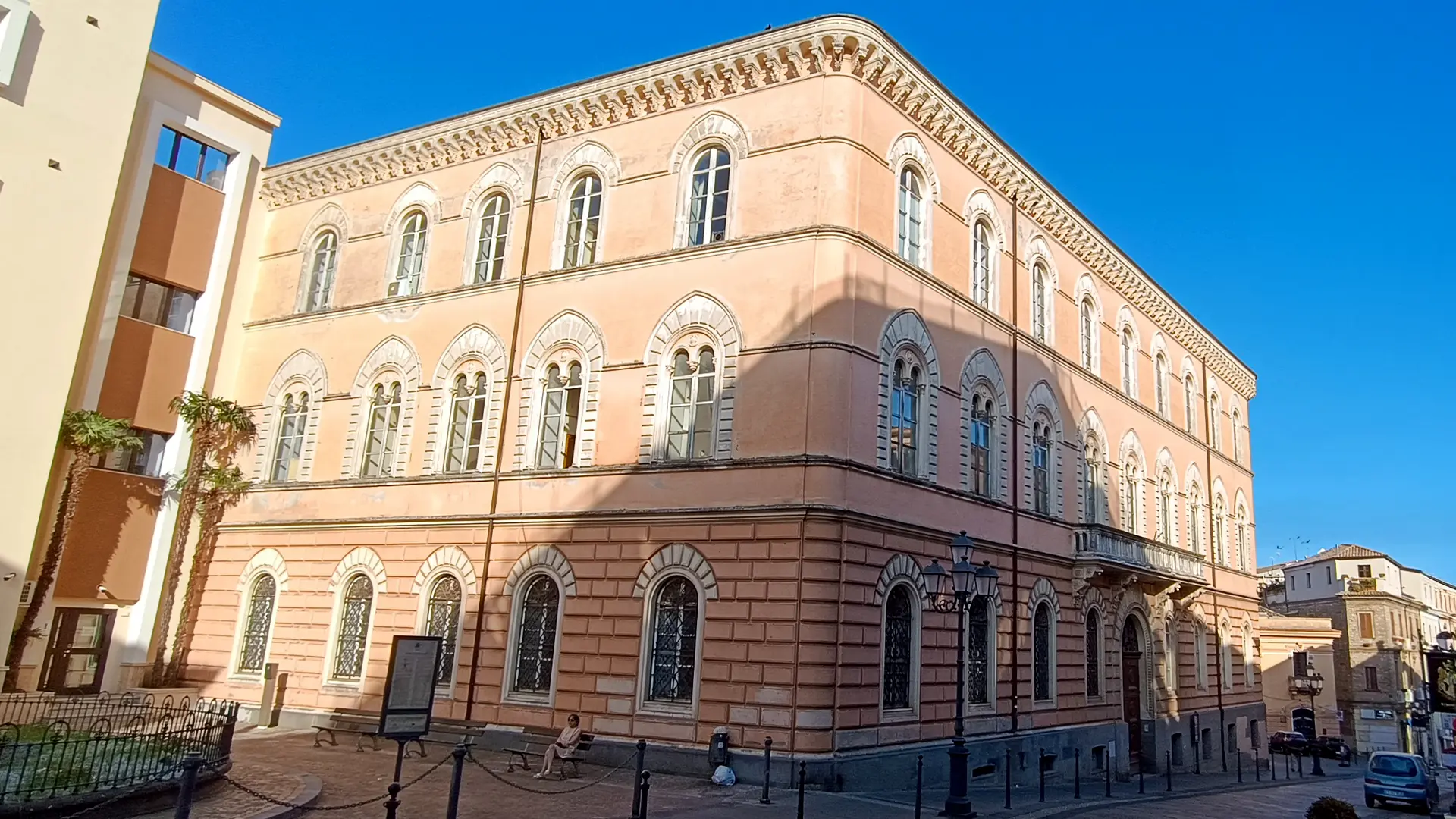
Where once the prayers of the Teatini Fathers resounded, today stands one of the most imposing and significant buildings in Catanzaro: the Palazzo dell'Intendenza di Finanza. Built in 1910, this building represents not only an architectural masterpiece that brings the Florentine Renaissance to the Calabrian hills, but also the symbol of a city that, at the dawn of the twentieth century, was transforming into a modern administrative capital.
From Prayers to Offices: An Epochal Transformation
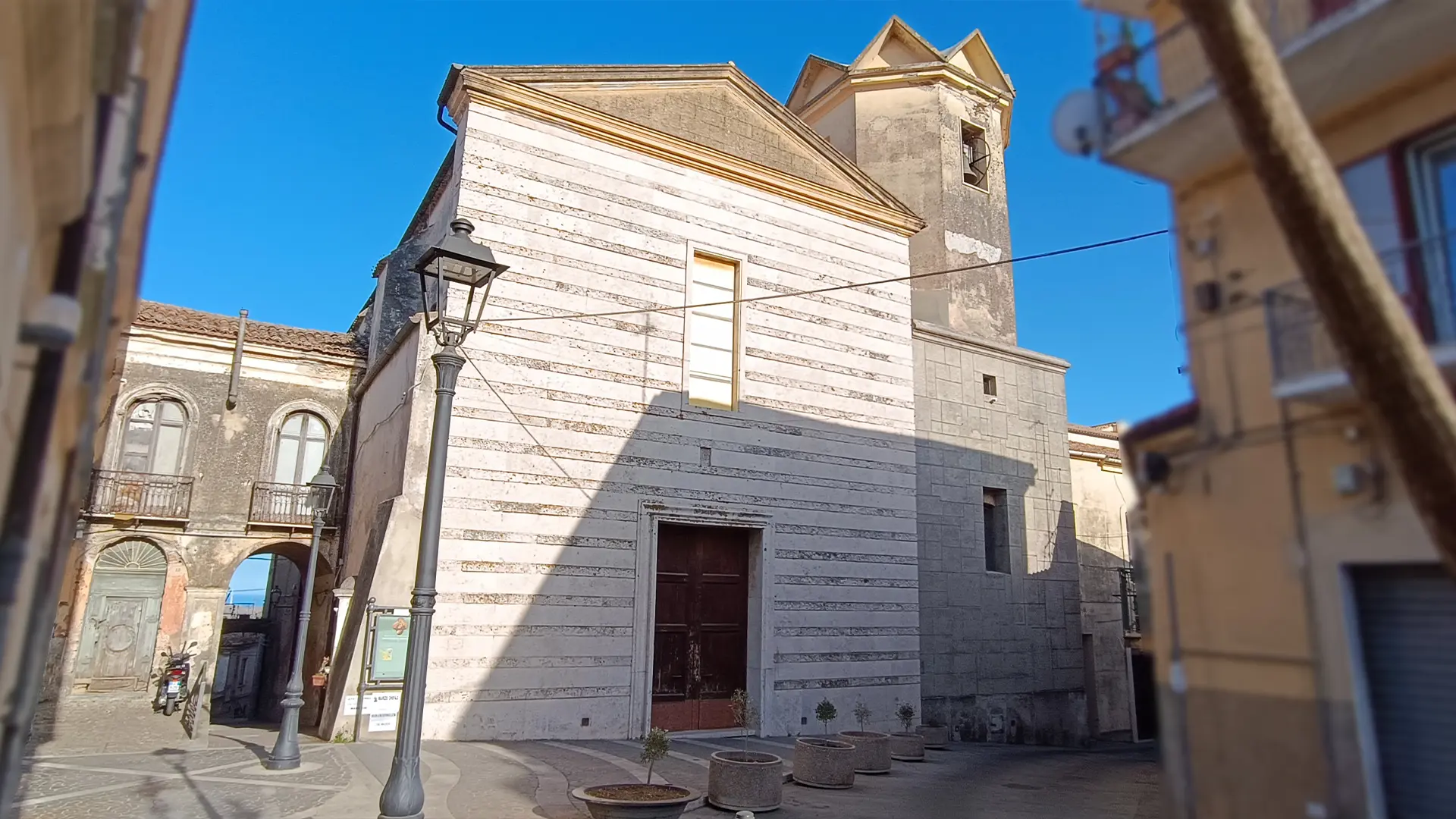
The history of this palace begins with a painful page of the Italian Risorgimento. In 1861, the lieutenant decree of February 17 suppressed all religious houses in the former Kingdom of Naples. On October 7, 1862, the Liguorini Fathers - who succeeded the Teatini - were expelled from the convent next to the church of Santa Caterina Vergine e Martire.
The buildings passed to the state domain in 1864, starting a series of transformations reflecting the changes of the time: from military warehouses to Casa del Soldato in 1920, until the final decision to create a large governmental administrative center.
The Grand Project: A Modern Bureaucratic Center
On May 13, 1904, with a resolution of the City Council of Catanzaro, the practice was finalized to locate all government financial offices in a single, grand building. The offices, previously scattered in the former Seminary (where today stands the Municipal Theater designed by Saul Greco), finally found a worthy headquarters for their importance.
In 1910, the convent was demolished and, as Giacomo Frangipane recalls, "at no small expense to the Ministry of Finance, the current grandiose Finance building was built on the remaining area, with four sides, a vast courtyard, and marble stairs".
A Concentration of Administrative Power
Since September 1910, the palace housed:
- Intendenza di Finanza with archive and warehouse
- Regia Avvocatura Erariale
- Conservazione delle Ipoteche
- Ufficio del Registro
- Agenzia delle Imposte
- Ufficio Tecnico di Finanza
- Magazzino delle Privative Sali e Tabacchi
- Ufficio delle Guardie di Finanza
Urban Transformation: Catanzaro Administrative Capital
The Intendenza palace was the final piece of an ambitious urban reorganization project that transformed Corso Mazzini (then Vittorio Emanuele) into the administrative backbone of the city:
- Palazzo De Nobili: City Hall
- Former convent of the Dominicans: first Courts (later transferred in the '30s)
- Palazzo Grimaldi-Montuori: Chamber of Commerce
- Palazzo dell'Intendenza: government financial offices
This system was complemented by significant infrastructural interventions: alignment and rectification of the course, cobbling and leveling of the surrounding arteries.
Architecture: Florence on the Calabrian Hills
The palace represents an architectural uniqueness in the Catanzaro landscape, the result of a successful synthesis between public commission, cultured design, and artistic realization...