Vai alla sezione principale
Vai alle informazioni attrazione
Vai alla descrizione
Vai alle indicazioni
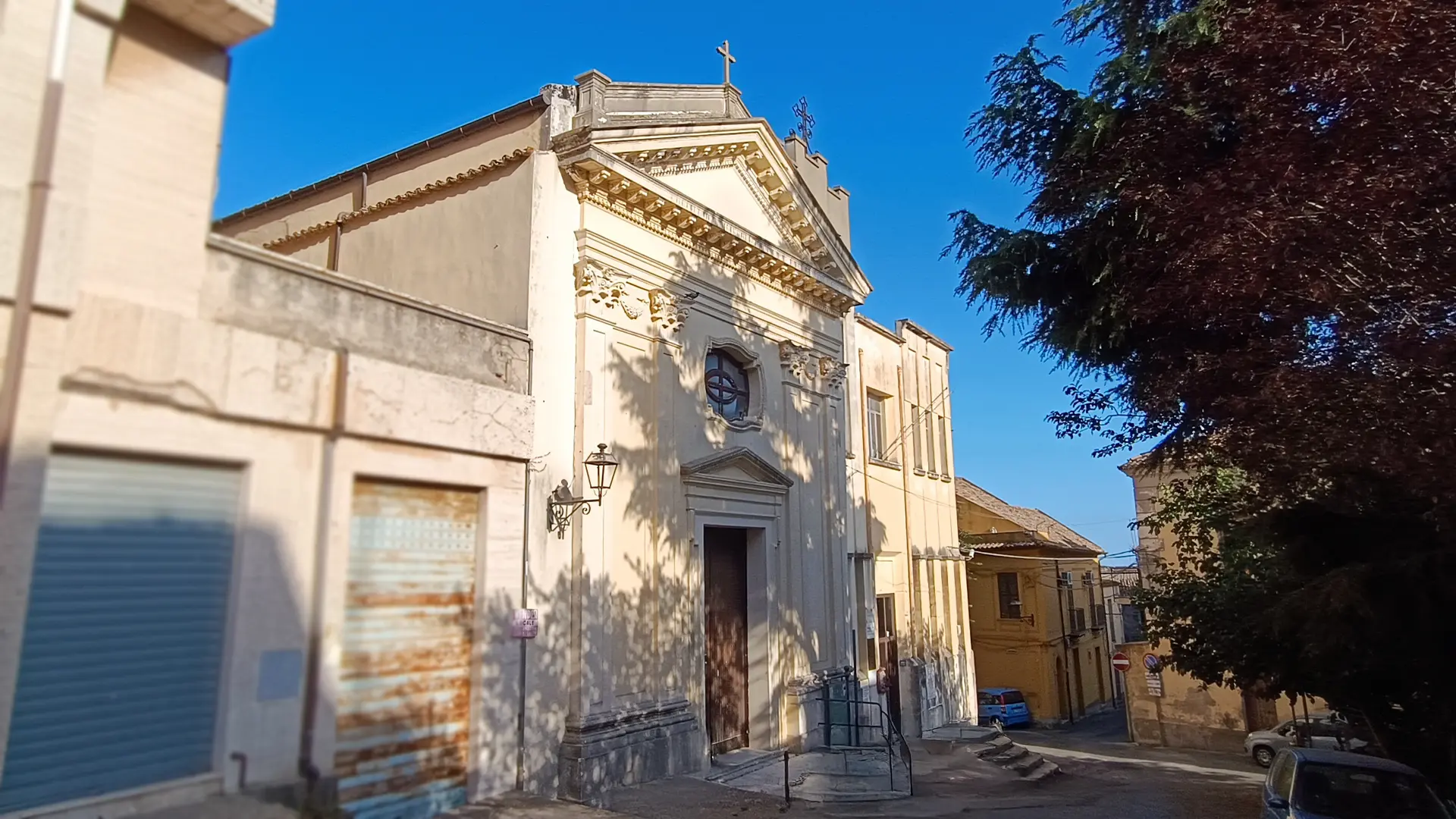
Church of Santa Maria de Figulis
Accessibility
- Family friendly
Descrizione attrazione
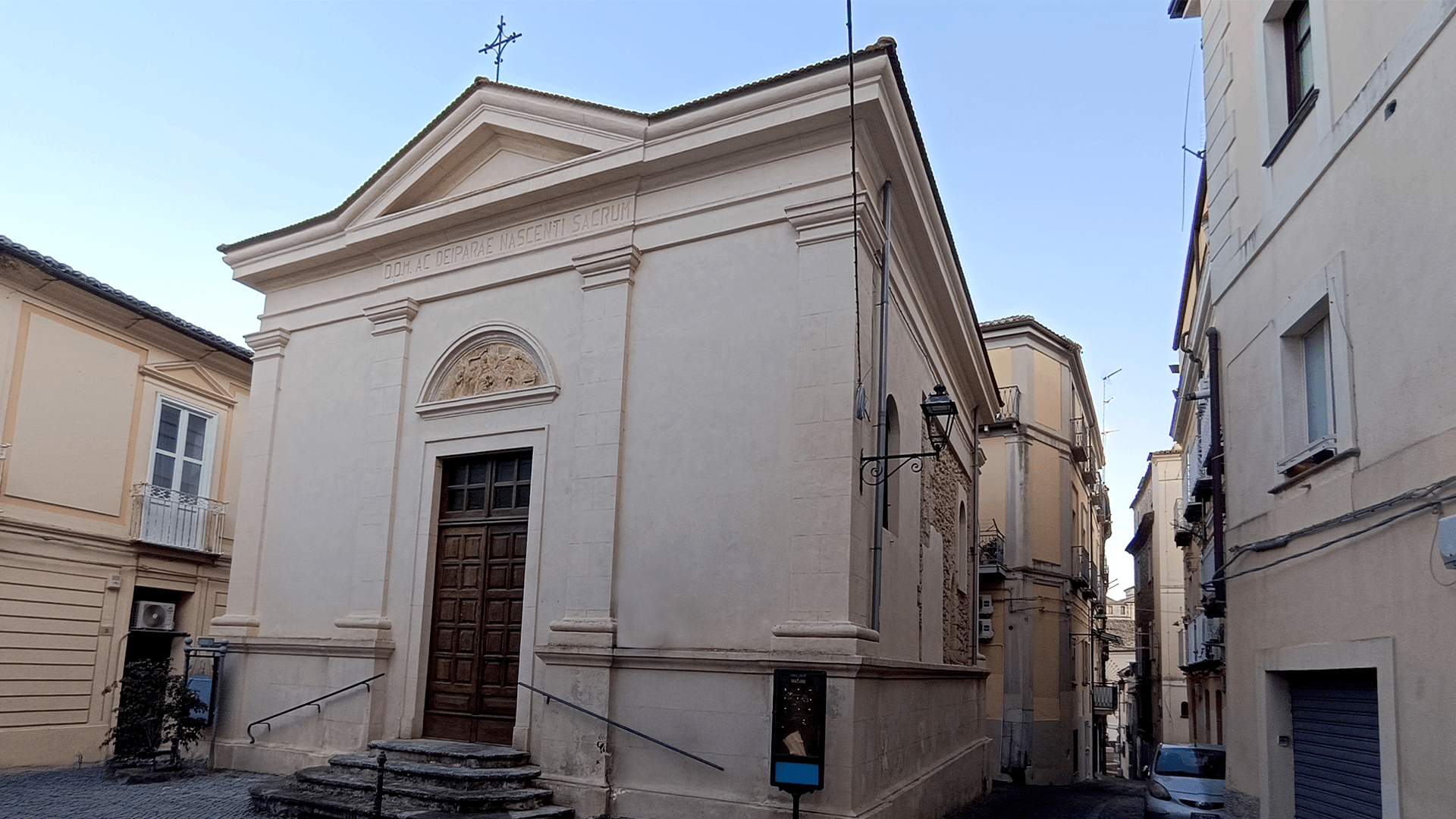
Church of Santa Maria de Figulis: where the potters built a jewel
In the heart of the ancient potters' quarter, the small church of Santa Maria de Figulis - also known as Montecorvino - preserves eight centuries of history of Catanzaro in an architectural treasure of rare beauty. This medieval temple, born from the devotion of a community of artisans and over time becoming a symbol of urban nobility, represents an extraordinary example of how art and faith can transform a neighborhood and its social identity.
In the potters' quarter
The church owes its original name - Santa Maria de Figulis - to the community that presumably founded it in the 13th century. As Vincenzo D'Amato recounts in 1670, the title derives from the fact that "in that district lived Masters of earthen vessels" (from the Latin figulus: potter), artisans who already in the medieval age produced refined terracotta manufactures in their workshops.
The neighborhood was strategically located, near the Jewish quarter (later Santo Stefano Protomartire) and the "narrow" Latin districts of the parishes of San Basilio, San Menna, and Santa Maria di Ognissanti. It was precisely this community of ceramists who worked for the construction of the small temple, dedicating it to Mary Most Holy of Graces.
The mystery of the name Montecorvino
The popular denomination "Montecorvino" arose later, linked to a natural phenomenon that captured the imagination: the huge number of crows that, at certain times of the year, nested among the trees of the numerous "urban gardens" still present near the church. This particularity gave the place a suggestive atmosphere that is reflected in the local toponymy.
From artisanal quarter to noble village
The seventeenth century marked a radical transformation of the neighborhood's character. The flourishing of the silk industry brought economic prosperity and, due to the pleasantness of the place, the ancient district of potters became the center of a flourishing building activity. Many noble families of the time - Campitelli, Malpica, Sanseverino, Passarelli, Tiriolo - chose to build their urban residences around the church of Montecorvino.
This social transformation is documented in the parish records of Platea Gori of 1691, where the parish priest Don Antonio Pavone justifies the expenses for the liturgical feasts: "for the titular feast of the B.V. which is celebrated on September 8, I have spent every year since I have been a parish priest eight scudi and more because I made it solemn with music and candles and decorations because the neighborhood of said parish is all of noble people".
Elevation to parish and seventeenth-century splendors
Towards the end of the sixteenth century, the church was separated from the Cathedral Chapter and in 1601 elevated to the rank of parish, with the first parish priest being the priest Fabio Senatore who led it for thirty-seven years. During the seventeenth century, the parish enriched itself with precious furnishings, sacred silk fabrics made in Catanzaro...