The Dunes of Giovino
Accessibility
- Family friendly
- Animali ammessi
Informazioni attrazione
Descrizione attrazione
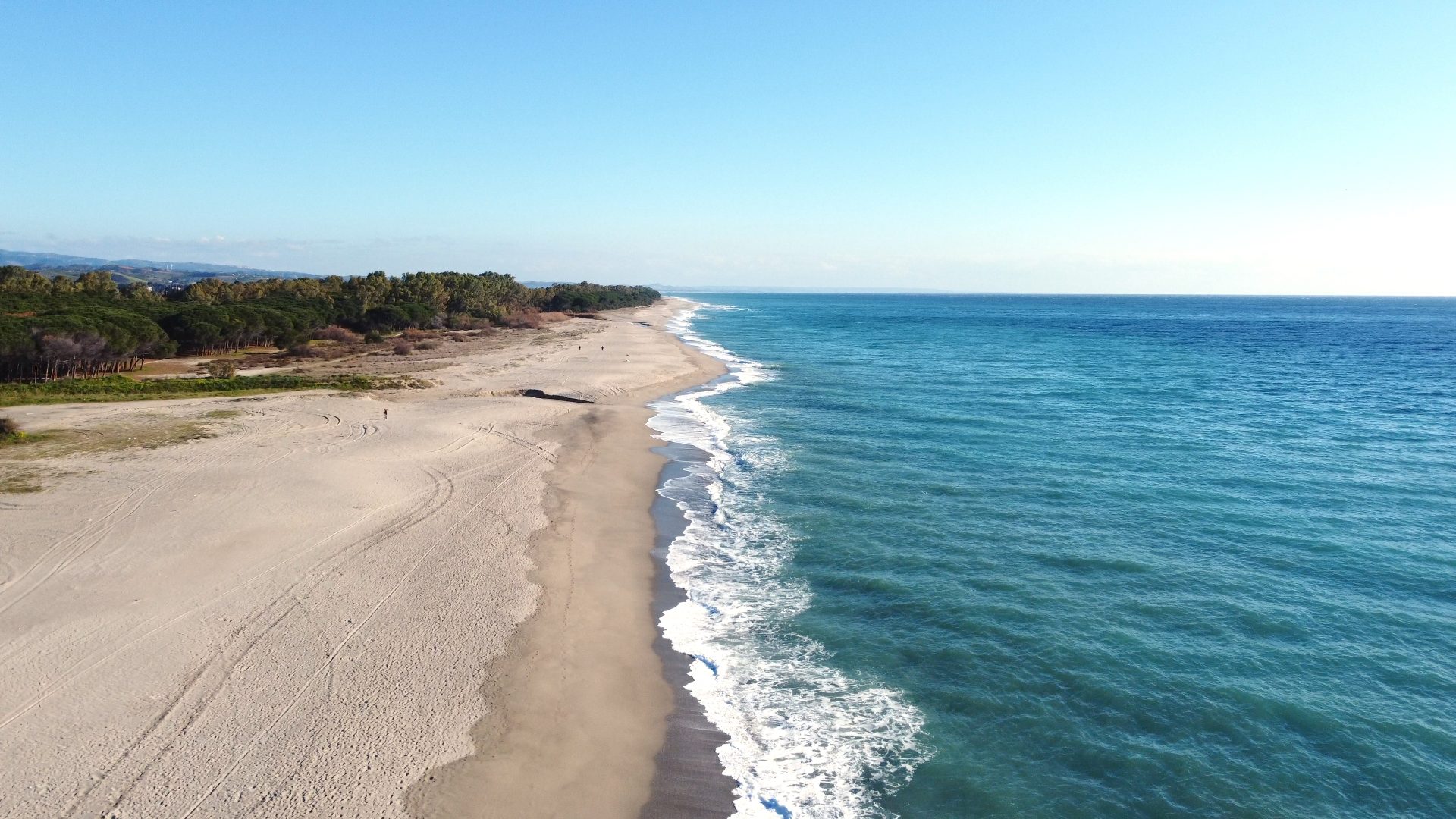
The Dunes of Giovino: the wild oasis of the Catanzaro coast 13 kilometers from the center of Catanzaro, in the Lido district, lies one of the most precious natural treasures of Calabria: the Dunes of Giovino.
This extraordinary ecosystem of 15.5 hectares, located between the mouths of the Castace and Alli streams to the east and the Corace river to the west, represents a rare and precious example of a spontaneous dune environment that has resisted human pressure, preserving its original characteristics intact. A unique ecosystem among three rivers The particular location of the Dunes of Giovino, enclosed between three important Calabrian watercourses, creates a microenvironment of extraordinary biological richness. The mouths of the Castace, Alli, and Corace are not just geographical elements, but real ecological corridors that allow the exchange of species between the inland and the sea, creating ideal conditions for the development of a unique biodiversity. These transitional environments between fresh and saltwater, between land and sea, represent fundamental habitats for numerous species that find here the optimal conditions for reproduction, feeding, and resting during migrations. The Sea Daffodil: botanical jewel of the dunes Among the rare plant species that characterize this environment, the Pancratium Maritimum stands out, commonly known as the Sea Daffodil. This splendid plant of the Amaryllidaceae family is one of the most fascinating symbols of Mediterranean dune flora. Its white, elegant, and fragrant flowers bloom during the summer creating a natural spectacle of rare beauty. The Sea Daffodil is a species protected by specific European and national regulations, as it is particularly vulnerable to alterations in the coastal habitat. Its presence in the Dunes of Giovino attests to the high degree of naturalness of the area and the need to preserve this fragile and precious ecosystem. The plant has developed extraordinary adaptations to survive in the dune environment: deep roots to reach fresh water, fleshy leaves to resist salt spray, underground bulbs to overcome periods of water stress. Each specimen represents a small miracle of evolutionary adaptation. The Kentish Plover: sentinel of the coastal ecosystem Among the most significant faunal species of the Dunes of Giovino stands out the Kentish Plover (Charadrius alexandrinus), one of the smallest wading birds nesting on Italian beaches. This small bird, with its camouflaging plumage that blends perfectly with the sand, represents much more than just a species to protect: it is a true environmental indicator. The presence of the Kentish Plover provides valuable information on the health of the marine-coastal ecosystem. Its nesting requires very specific environmental conditions: undisturbed beaches, absence of pollution, availability of natural food. Where it nests, the...