Vai alla sezione principale
Vai alle informazioni attrazione
Vai alla descrizione
Vai alle indicazioni
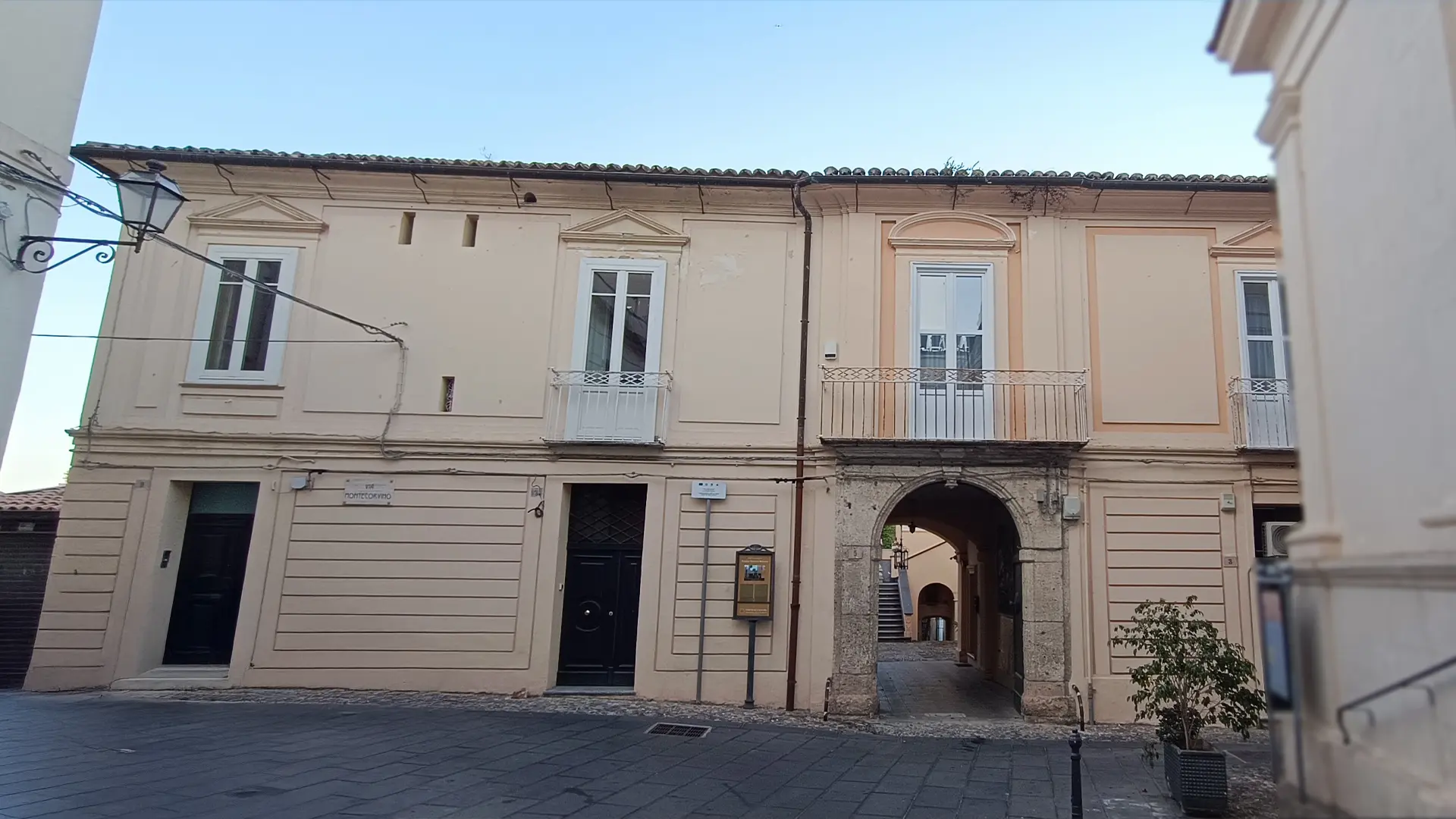
Palazzo Pecorini Manzoni: Eighteenth-Century Elegance in Montecorvino
Accessibility
- Family friendly
Descrizione attrazione
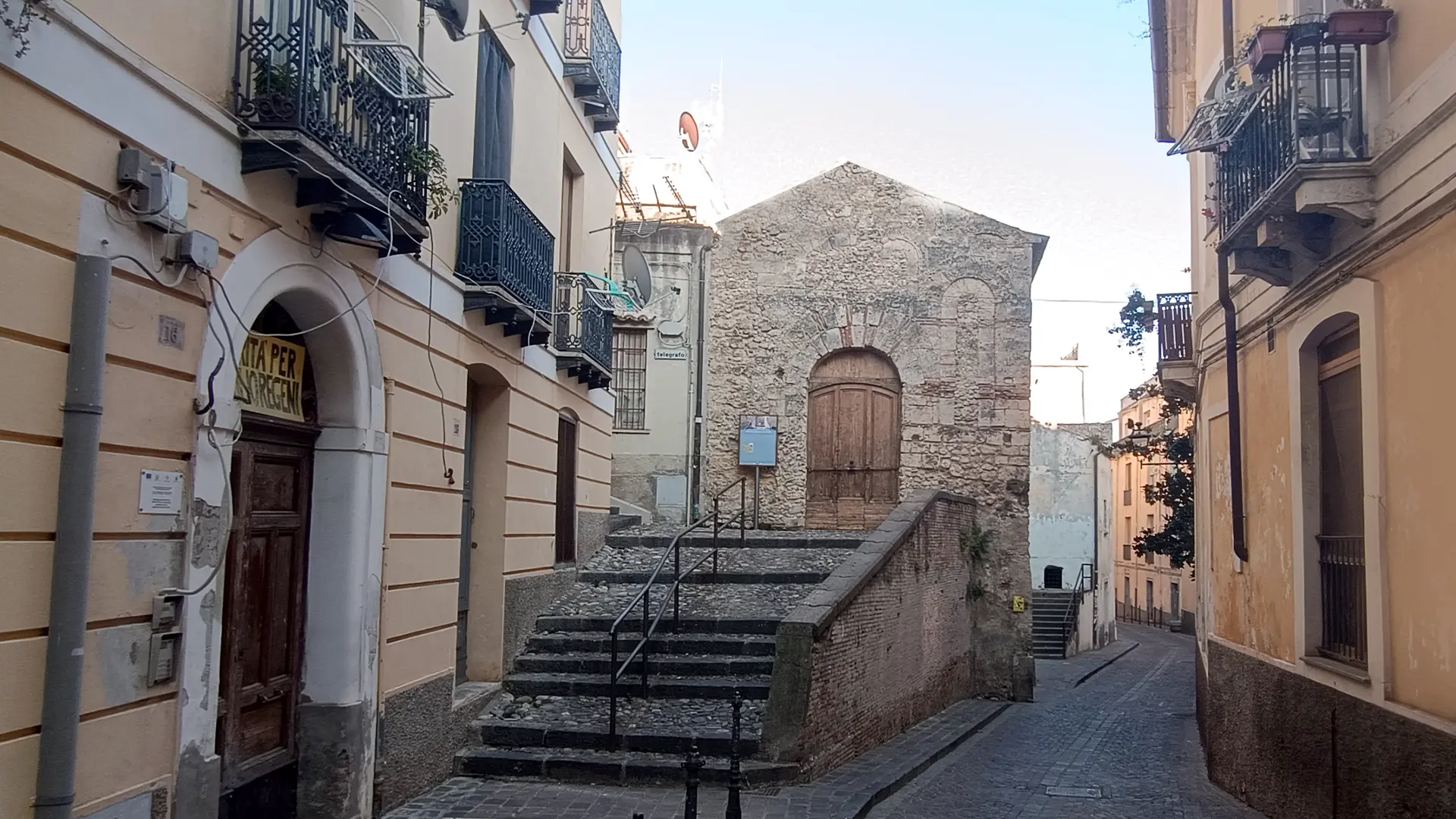
Ascent of "Pirarace" - 18th Century
In the ancient narrow parish of Santa Maria de Figulis or Montecorvino, at the end of the evocative ascent of "Pirarace", stands one of the most refined architectural complexes of the 18th century in Catanzaro: Palazzo Pecorini Manzoni. This building represents a unique example in the panorama of the city's residential architecture, a testimony of an artistic season that managed to combine Neapolitan elegance with Calabrian building traditions.
A Noble Mystery: The Origins of the Palace
The Marincola Cattaneo: Early Documentary Traces
Reconstructing the original ownership of the palace presents some difficulties, but notarial deeds from the 18th century offer valuable clues. The Marincola Cattaneo family owned a palace in the parish of Santa Maria de Figulis, bordering on the garden of Baron Domenico Marincola Pistoia.
Count Carlo Pecorini Manzoni: A Revealing Marriage
Since the mid-19th century, the palace has been known as Palazzo Pecorini Manzoni, a name derived from Count Carlo Pecorini Manzoni who married Nicolina Marincola San Floro, daughter of Filippo and Raffaela Alemanni. This marriage creates a significant connection with the Alemanni family, who at that time were renovating the adjacent palace of the same name.
The Testimony of Giacomo Frangipane
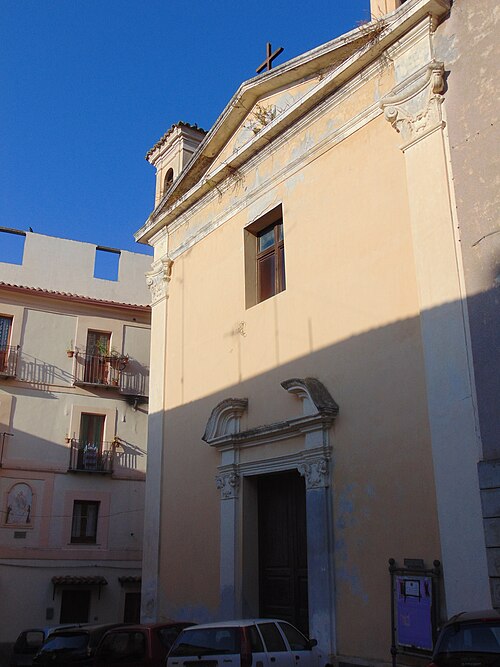
Historian Giacomo Frangipane in his manuscript "Catanzaro Sacra" provides further evidence, referring to the church of Montecorvino: "around 1858 the meritorious parish priest D. Cesare Pucci, who succeeded the parish priest D. Luigi Maraziti, thought of transforming the ancient little church, which had a wooden ceiling and the entrance door from the alley in front of the Frangipane house."
Architecture: Neapolitan Influences in Calabria
A Cultivated and Refined Language
Palazzo Pecorini Manzoni stands out as a unique example of architecture linked to the last quarter of the 18th century with characteristics that resemble some Neapolitan palaces and villas. This suggests a designer who had direct experiences with the architectural language of the capital of the kingdom.
The Influence of Giovan Battista Vinci
The facades of the building show clear stylistic influences with some works by Giovan Battista Vinci, an architect born in Vibo Valentia in 1772. This architectural language was consolidated in Calabria, particularly in Vibo Valentia, in the aftermath of the earthquake of 1783.
Urban Context: The Transformation of Montecorvino
From Craftsmanship to Nobility
The palace is part of a transformation process that affected the parish of Montecorvino as early as the 17th century. The ancient neighborhood of the potters underwent profound urban-architectural transformations with the construction, around the medieval church, of residences belonging to many noble families:
- Campitelli
- Malpica
- Sanseverino
- Passarelli
- Tiriolo
These families gave the neighborhood, until the end of the 19th century, a c...
How to get there
Position not available
The position of this attraction has not yet been configured.